

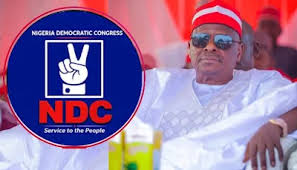
The Kwankwasiyya Movement has dismissed reports suggesting that its leader, Rabiu Musa Kwankwaso, is considering leaving the National Democratic Coalition (NDC), describing the claims as misleading and lacking factual basis.
The group’s reaction comes amid growing speculation about the future of opposition alliances and political coalitions ahead of Nigeria’s 2027 general elections. Recent reports had alleged that Kwankwaso was unhappy with developments within the coalition and could be preparing to withdraw his support from the platform.
However, representatives of the Kwankwasiyya Movement have moved swiftly to reject the reports, insisting that no such decision has been made and that Kwankwaso remains committed to ongoing political consultations aimed at strengthening opposition cooperation.
Kwankwasiyya Movement Refutes Exit Claims
In a statement addressing the controversy, the movement described the reports as false and politically motivated, arguing that they were designed to create confusion among supporters and stakeholders.
According to the group, Kwankwaso has not issued any directive indicating his intention to leave the coalition, nor has he publicly expressed dissatisfaction that would justify speculation about an imminent departure.
The movement emphasized that discussions within political coalitions often involve differing opinions and strategic debates, but such disagreements should not automatically be interpreted as signs of collapse or division.
Supporters of the former Kano State governor maintained that coalition-building remains a complex process requiring patience, dialogue, and compromise among participating groups.
Growing Interest in Opposition Alliances
The controversy highlights the increasing attention being paid to opposition political movements as preparations for the 2027 elections gradually take shape.
Since the conclusion of the 2023 general elections, political stakeholders have explored various options for strengthening opposition cooperation and creating a more competitive political environment.
Several influential political figures have been linked to coalition efforts, with observers suggesting that broad alliances may play a crucial role in shaping future electoral outcomes.
As one of Nigeria’s most prominent opposition leaders, Kwankwaso remains a central figure in discussions about political realignments and coalition strategies.
His political influence, particularly in northern Nigeria, has made him a key player in conversations surrounding the future of opposition politics.
Coalition Politics and Internal Challenges
Political analysts note that coalition movements often face challenges as member groups attempt to balance competing interests, ambitions, and priorities.
Differences in strategy, leadership structures, and policy direction can sometimes generate speculation about internal tensions.
However, experts caution that disagreements are common in large political alliances and do not necessarily indicate that a coalition is on the verge of collapse.
The Kwankwasiyya Movement argued that reports of Kwankwaso’s alleged exit reflect a misunderstanding of the realities of coalition politics, where negotiations and consultations are ongoing and dynamic.
According to the group, constructive dialogue remains essential for achieving long-term political objectives.
Supporters Call for Focus on Shared Goals
Members of the movement urged supporters to remain focused on broader political goals rather than becoming distracted by unverified reports.
They emphasized the importance of unity among opposition stakeholders, particularly at a time when discussions about governance, economic development, and democratic reforms continue to dominate public discourse.
Political observers say maintaining cohesion within coalition platforms will be critical if opposition groups hope to present a credible and competitive alternative in future elections.
The movement reiterated that political alliances should be evaluated based on their objectives and contributions rather than speculation surrounding individual personalities.
Reactions Across Political Circles
The reports and subsequent denial have generated mixed reactions among political commentators and party supporters.
Some analysts believe the controversy reflects the intense scrutiny facing opposition leaders as political activities begin to accelerate ahead of 2027.
Others argue that persistent speculation about defections and disagreements may be inevitable given the high stakes involved in coalition negotiations.
Despite these concerns, many observers agree that Kwankwaso’s role within opposition politics remains significant, regardless of the ongoing rumors.
His influence within the Kwankwasiyya Movement and broader political landscape continues to attract attention from both supporters and rivals.
Looking Ahead to 2027
As political parties and coalition groups continue to position themselves for future elections, reports regarding alliances and internal dynamics are expected to remain a major topic of discussion.
For now, the Kwankwasiyya Movement has firmly rejected claims that Rabiu Musa Kwankwaso intends to leave the NDC, insisting that he remains engaged in efforts aimed at fostering political cooperation.
The statement is likely to reassure supporters while reinforcing the coalition’s message of unity and continuity.
With the 2027 elections still on the horizon, stakeholders across Nigeria’s political spectrum are expected to continue negotiations, consultations, and strategic planning that could ultimately shape the country’s next electoral contest.


