

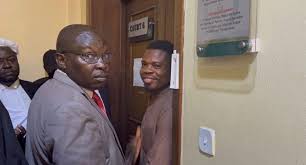
Social media personality and activist Mark Chidiebere, popularly known online as “Justice Crack,” has remained in custody following an emotional appearance at the Federal High Court in Abuja during a bail hearing connected to his controversial arrest by the Nigerian Army.
The case has continued to generate national attention, with supporters describing him as a whistleblower raising concerns about the welfare of frontline soldiers, while authorities maintain that issues relating to national security must be handled responsibly.
Justice Crack was arrested on April 28 after posting a viral video allegedly exposing poor living conditions and operational challenges faced by Nigerian soldiers deployed to conflict areas.
His arrest triggered widespread reactions on social media, where many Nigerians debated the balance between freedom of expression, whistleblowing, and military confidentiality.
Bail Hearing Ends Without Release
During proceedings at the Federal High Court Abuja on Wednesday, supporters and observers gathered in anticipation that the activist might regain his freedom through a bail ruling.
However, the proceedings took an unexpected turn when his legal counsel reportedly withdrew the bail application before the court could make a final decision.
As a result, Justice Crack was ordered to remain in the custody of the Department of State Services (DSS) pending the continuation of trial proceedings scheduled for May 25.
The courtroom moment reportedly became emotional as supporters watched the activist leave under security escort after hopes of his immediate release faded.
Arrest Linked to Viral Military Video
Justice Crack’s arrest followed the circulation of a video in which he allegedly highlighted difficult conditions experienced by Nigerian military personnel on the frontlines.
The video reportedly included commentary about inadequate welfare, operational hardship, and the challenges faced by soldiers involved in security operations across parts of the country.
Authorities have not publicly released full details of the charges against him, but security agencies are believed to be investigating the matter within the context of national security and military regulations.
The Nigerian Army has historically maintained strict policies regarding the publication of operational information and sensitive military matters.
Supporters of Justice Crack, however, insist that the activist’s comments were intended to draw attention to the welfare of soldiers rather than undermine national security.
Sowore, Activists Show Support
Among those present outside the court was activist and former presidential candidate Omoyele Sowore, who joined supporters demanding Justice Crack’s release.
Sowore and several civil rights advocates described the detained social media figure as someone who used his platform to speak about issues affecting ordinary Nigerians, including security personnel.
Supporters outside the court carried placards and chanted solidarity messages, arguing that criticism of poor conditions within public institutions should not automatically lead to detention.
Some activists also accused authorities of attempting to intimidate social commentators and online voices critical of government institutions.
Debate Over Free Speech and National Security
The case has reignited broader debates in Nigeria concerning freedom of expression and the limits of public commentary on security-related issues.
Human rights advocates argue that citizens should be allowed to raise concerns about the welfare of military personnel and government institutions without fear of arrest.
They insist that exposing alleged hardship faced by soldiers could help improve accountability and encourage reforms within the security sector.
However, supporters of stricter national security laws argue that sensitive military information, especially during ongoing security operations, must be protected from public exposure.
Analysts say the case highlights the growing tension between digital activism and state security concerns in Nigeria’s rapidly expanding online political environment.
Growing Influence of Online Activism
Justice Crack became widely known online through commentary videos and social media posts discussing political and social issues affecting Nigerians.
Like many digital creators and online activists, he built a large audience through viral content focused on governance, hardship, and public accountability.
Observers note that social media personalities now play an increasingly influential role in shaping public discourse in Nigeria, especially among younger audiences.
This influence has also led to growing confrontations between online commentators and authorities over issues considered politically or institutionally sensitive.
Concerns Over Detention and Legal Rights
The continued detention of Justice Crack has drawn concern from legal observers and civil society groups monitoring the case.
Some legal analysts questioned the withdrawal of the bail application and called for transparency regarding the legal process moving forward.
Others stressed the importance of ensuring that due process and constitutional rights are respected regardless of the nature of the allegations.
Human rights organisations have also urged authorities to handle the matter carefully to avoid creating perceptions of suppression of dissenting voices.
Nigeria’s Security Challenges in Focus
The controversy surrounding the case comes at a time when Nigeria continues to battle multiple security challenges, including insurgency, banditry, and communal violence in different parts of the country.
Military personnel operating in conflict zones have frequently faced concerns about welfare, equipment shortages, and operational risks.
Discussions about the condition of frontline troops have periodically surfaced in public debates, particularly on social media platforms where citizens increasingly share unfiltered opinions about national issues.
Awaiting May 25 Trial Date
With the bail hearing now concluded without release, Justice Crack is expected to remain in DSS custody until the next court session scheduled for May 25.
The upcoming proceedings are expected to attract continued public attention given the growing controversy surrounding the case.
Supporters have vowed to continue campaigning for his release, while legal observers say the trial could become an important test case in Nigeria’s ongoing conversation about free speech, whistleblowing, and national security.
As the case develops, many Nigerians will be closely watching how the judiciary, security a


