

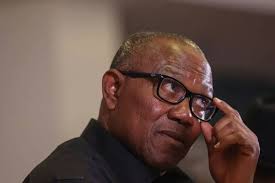
Former presidential candidate Peter Obi has once again pledged to serve only one four-year term if elected president in the 2027 general elections, describing the commitment as part of his vision to restore stability, discipline, and accountability to Nigeria’s political system.
Obi made the declaration during an appearance on News Central Television’s political programme “60 Minutes with Mr. Kay” aired on May 13, 2026, where he addressed issues ranging from governance and economic management to national debt and the future of opposition politics in Nigeria.
The former Labour Party presidential candidate said his proposed single-term presidency would allow him focus on urgent reforms without becoming distracted by long-term political calculations associated with re-election campaigns.
His comments immediately generated widespread debate across political and social media circles, with supporters applauding the pledge while critics questioned his political consistency and long-term intentions.
Obi Defends One-Term Presidency Proposal
During the televised interview, Obi argued that Nigeria requires leaders willing to make difficult decisions in the national interest rather than focusing primarily on political survival.
According to him, a single-term presidency would help reduce political tension and allow greater concentration on governance, economic reforms, and institutional rebuilding.
He maintained that his interest lies in stabilising the country and laying foundations for sustainable development rather than remaining in office for extended periods.
The former Anambra State governor also linked his proposal to concerns about Nigeria’s worsening economic condition, particularly the country’s rising debt profile under the administration of President Bola Ahmed Tinubu.
Rising Debt Becomes Central Campaign Issue
Peter Obi pointed to Nigeria’s increasing public debt as evidence that urgent economic reforms are needed.
According to recent figures frequently referenced by opposition voices, Nigeria’s public debt has reportedly risen from approximately ₦87 trillion in 2023 to more than ₦159 trillion by early 2026.
The debt increase has become one of the major issues dominating political debates ahead of the 2027 elections, with opposition figures accusing the federal government of excessive borrowing and unsustainable fiscal management.
Obi argued during the interview that continued debt accumulation without corresponding productive investments could worsen inflation, unemployment, and economic hardship for ordinary Nigerians.
He insisted that fiscal discipline, production-driven policies, and reduction in wasteful government spending would be central priorities under his leadership if elected.
Obidient Movement Reacts Positively
Supporters of Obi, particularly members of the “Obidient” movement, welcomed the renewed one-term pledge and described it as evidence of political sacrifice and commitment to national interest.
Several supporters shared clips of the interview online, praising Obi’s willingness to publicly commit himself to a limited tenure despite the political advantages associated with two-term presidencies.
Many argued that the pledge could help reduce ethnic and regional anxieties often associated with Nigeria’s power-sharing politics.
Some supporters also claimed the promise demonstrates Obi’s focus on institutional reforms rather than personal political ambition.
The Obidient movement, which emerged strongly during the 2023 elections, remains one of the country’s most active grassroots political communities, especially among younger Nigerians and urban voters.
Critics Question Obi’s Political Consistency
Despite the praise from supporters, critics quickly challenged Obi’s credibility and accused him of political inconsistency.
Some opponents pointed to his history of changing political parties over the years, including movements between the All Progressives Grand Alliance (APGA), Peoples Democratic Party (PDP), and Labour Party.
Critics argued that those past political shifts make it difficult for some voters to fully trust long-term promises regarding governance or tenure.
Others described the one-term pledge as politically strategic, aimed at broadening Obi’s appeal across different regions ahead of the 2027 elections.
Some analysts also questioned whether a single four-year term would realistically provide enough time to implement the major economic and institutional reforms Obi frequently discusses.
Opposition Politics Ahead of 2027
Obi remains one of the most influential opposition figures in Nigeria following his strong performance in the 2023 presidential election.
His campaign attracted millions of supporters nationwide and transformed the Labour Party into a major political force, particularly among young voters seeking alternatives to traditional political structures.
Since the 2023 elections, Obi has continued to maintain significant visibility in national political discussions through public engagements, interviews, and commentary on governance issues.
Political observers believe his renewed one-term promise may become a central feature of his political messaging heading into 2027.
The opposition landscape, however, remains fluid, with ongoing discussions about coalitions, alliances, and possible realignments among major opposition figures and parties.
Economic Hardship Shapes Political Debate
Nigeria’s economic challenges continue to dominate public discourse as inflation, rising living costs, and unemployment affect millions of citizens nationwide.
Opposition politicians have increasingly focused on issues such as debt management, fiscal transparency, and economic reforms while criticising the current administration’s handling of the economy.
Supporters of the Tinubu administration, however, argue that difficult economic reforms currently being implemented are necessary for long-term recovery and structural transformation.
Analysts say the economy is likely to remain the defining issue in the buildup to the 2027 elections.
Public Reactions Continue Online
Social media reactions to Obi’s interview remained sharply divided hours after the programme aired.
While supporters praised the former governor for making what they described as a bold and selfless commitment, critics questioned whether such promises could be relied upon in Nigeria’s unpredictable political environment.
Others debated whether Nigeria’s constitutional and political realities make one-term arrangements practical or beneficial.
Looking Ahead to 2027
As political conversations around the next general election continue to intensify, Peter Obi’s renewed one-term pledge has added another dimension to Nigeria’s evolving political debate.
For supporters, the promise represents accountability, focus, and national sacrifice.
For critics, it raises questions about political consistency and electoral strategy.
Regardless of differing opinions, Obi’s latest comments have once again placed him at the center of national political discussions as parties and political actors gradually begin positioning themselves for the 2027 presidential race.


