

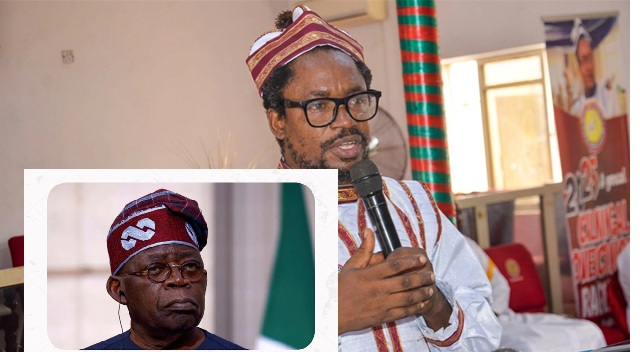
A Christian advocacy group has called on President Bola Ahmed Tinubu to withhold assent to a proposed bill seeking to criminalise preaching in commercial vehicles, arguing that the legislation could infringe on constitutionally guaranteed rights to freedom of religion and expression.
The group made the appeal amid growing public debate over the proposed legislation, which has generated mixed reactions from religious organisations, legal experts and members of the public. While supporters of the bill argue that it is intended to reduce public disturbances and protect commuters from unwanted solicitation, critics contend that it could unduly restrict legitimate religious activities.
In a statement issued over the weekend, the organisation urged the President to carefully consider the constitutional implications of the bill before making a decision. It maintained that Nigeria’s Constitution guarantees every citizen the right to freely practise and propagate their religion, provided such activities do not threaten public order, safety or the rights of others.
According to the group, preaching in public spaces, including commercial vehicles, has long been part of religious outreach by both Christian and Muslim faithful in Nigeria. It argued that any attempt to impose a blanket criminal prohibition on such activities could set a precedent that weakens fundamental civil liberties.
The organisation also called on lawmakers to engage religious leaders, civil society organisations and constitutional experts in broader consultations before advancing legislation that directly affects freedom of worship. It maintained that dialogue would help produce balanced regulations that protect both commuters’ comfort and citizens’ constitutional rights.
Supporters of the proposed legislation, however, argue that the measure is not intended to suppress religion but to address complaints from commuters about noise, harassment and disruptions during public transportation. They contend that passengers should be free to travel without being subjected to unsolicited religious or commercial messages.
Legal analysts note that any law regulating public preaching would have to satisfy constitutional tests by balancing the right to freedom of religion with other legitimate public interests, including public order, safety and the rights of fellow citizens. They emphasise that restrictions on constitutional rights must be reasonable, proportionate and consistent with the provisions of the Constitution.
Religious leaders have expressed differing opinions on the proposal. While some insist that evangelism and religious outreach are central obligations of faith communities, others believe that preaching should always be conducted with respect for the rights, convenience and consent of members of the public.
Civil society organisations have also urged lawmakers to ensure that any legislation touching on religious practice is carefully drafted to avoid discrimination or selective enforcement. They argue that laws affecting fundamental freedoms should emerge from broad public consultation and reflect the country’s pluralistic and democratic values.
Political observers say the debate highlights the continuing challenge of balancing constitutional freedoms with public interest in a diverse society such as Nigeria. They note that legislation affecting religious practice often attracts significant public attention because of the country’s strong religious traditions and constitutional commitment to freedom of worship.
As discussions over the bill continue, the Christian group reiterated its appeal to President Tinubu to reject any measure that could undermine religious liberty while encouraging constructive engagement among lawmakers, religious bodies and civil society. The group expressed confidence that a balanced approach would preserve constitutional rights while addressing legitimate concerns about public order and the welfare of commuters.


