

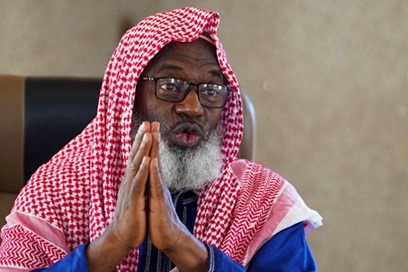
Islamic cleric Dr. Ahmad Abubakar Mahmud Gumi has called for renewed dialogue with armed groups operating in Nigeria, arguing that the country should consider engagement strategies similar to those used during the Niger Delta militancy.
Speaking on Nigeria’s security challenges, Gumi questioned who would be willing to visit Boko Haram members and bandits in the way that former President Goodluck Jonathan and former Vice President Yemi Osinbajo engaged Niger Delta militants during efforts to end unrest in the oil-producing region.
According to the cleric, military operations alone may not be sufficient to end insecurity, stressing that dialogue, negotiation and community engagement should form part of a broader strategy to restore peace.
He argued that sustainable solutions to violent conflicts require governments to understand the motivations of armed groups while simultaneously addressing the social, economic and political factors that contribute to insecurity.
Gumi has consistently advocated negotiations with armed groups in northern Nigeria, maintaining that dialogue can complement security operations and create opportunities for disarmament and reconciliation.
His position has remained controversial, attracting both support and criticism from security experts, political leaders and victims of violent attacks.
Supporters of dialogue argue that negotiated settlements have, in some instances, helped reduce violence and facilitate the reintegration of former militants into society. They frequently cite the Niger Delta Amnesty Programme as an example of a conflict-resolution approach that combined dialogue with economic reintegration.
Critics, however, contend that negotiating with terrorist organisations or criminal gangs risks legitimising violence, encouraging further kidnappings and undermining the rule of law. They argue that armed groups responsible for serious crimes should instead face justice through lawful security operations and judicial processes.
Security analysts generally note that successful counterinsurgency strategies often combine military action with intelligence gathering, community engagement, economic development and measures to address the root causes of conflict.
Nigeria continues to confront security challenges across several regions, including insurgency in the North-East, banditry in parts of the North-West and North-Central, and kidnapping for ransom in various parts of the country.
Observers say the debate over dialogue versus military action remains one of the most contested issues in Nigeria’s security policy, with differing views on the most effective path to lasting peace.
As insecurity continues to affect communities nationwide, experts have called for comprehensive strategies that strengthen security institutions, improve intelligence capabilities, promote justice for victims and address underlying socioeconomic conditions that fuel violence.
The discussion sparked by Gumi’s remarks underscores the continuing national conversation over how best to restore security while balancing the demands of justice, reconciliation and long-term peacebuilding.


