

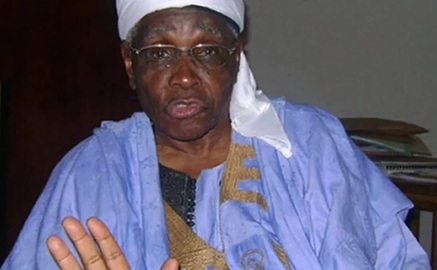
Elder statesman and former Vice-Chancellor of Ahmadu Bello University, Professor Ango Abdullahi, has attributed the persistent challenges facing Northern Nigeria to what he described as a gradual erosion of moral values, ethical leadership and societal responsibility.
Speaking on the state of the region, Abdullahi argued that the North’s current security, economic and social difficulties cannot be addressed solely through government intervention but require a collective return to values that once promoted discipline, honesty, accountability and communal responsibility.
According to him, the region has witnessed a decline in principles that previously guided families, communities and public institutions, contributing to rising insecurity, poverty, youth unemployment and other developmental challenges.
He stressed that rebuilding the North requires more than political leadership, emphasizing the need for parents, religious leaders, traditional rulers, educational institutions and community organizations to play active roles in restoring positive values among young people.
Abdullahi also called for greater investment in education, describing it as one of the most effective tools for shaping responsible citizens and preparing future generations for national development.
He noted that quality education, combined with moral instruction and skills acquisition, would help reduce unemployment, discourage criminality and promote social cohesion across the region.
The elder statesman urged political leaders to prioritize policies that improve access to education, create economic opportunities and strengthen institutions capable of addressing the root causes of insecurity and underdevelopment.
Observers note that Northern Nigeria continues to grapple with multiple challenges, including insurgency, banditry, kidnapping, poverty and limited access to education in some communities.
Development experts argue that addressing these issues requires a comprehensive approach involving improved governance, economic inclusion, security reforms, investment in human capital and stronger community participation.
They also emphasize that values such as integrity, accountability, tolerance and respect for the rule of law remain essential for sustainable development and national unity.
Political analysts say Abdullahi’s comments reflect a broader conversation among policymakers, traditional leaders and civil society groups on the need to complement government policies with social and cultural reforms.
They argue that while economic and security interventions are necessary, lasting progress also depends on rebuilding public trust, strengthening institutions and fostering responsible citizenship.
As discussions continue on the future of Northern Nigeria, stakeholders have called for collaborative efforts among governments, communities and development partners to address both the immediate and long-term challenges confronting the region.
Abdullahi concluded by urging Nigerians to work collectively toward restoring the values of integrity, hard work, unity and service, expressing optimism that such a renewal would contribute significantly to peace, stability and sustainable development in the North and across the country.


