
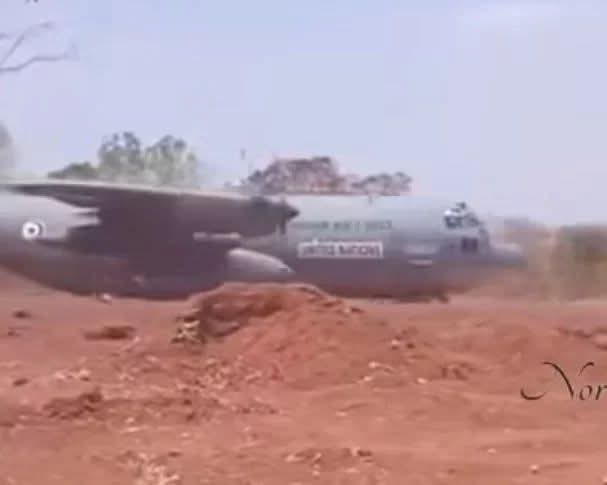
In Maiduguri, the epicenter of Nigeria’s long-running insurgency, fresh controversy has ignited fears of a deepening crisis in the North East. Reports circulating from the Borno axis allege that a United Nations–marked aircraft was intercepted while purportedly delivering supplies to Boko Haram, a claim that—if verified—could trigger far-reaching security and diplomatic consequences.
While the Defence Headquarters has yet to release an official statement confirming the incident, eyewitness accounts and viral reports suggest the aircraft was grounded after entering a restricted zone widely believed to be under insurgent influence. Sources within frontline security circles allege that the cargo included logistics and high-energy supplies not linked to any recognized Internally Displaced Persons (IDP) camps, raising serious questions about the intended destination.
The development has sent shockwaves across both military and humanitarian communities. The United Nations, through its humanitarian operations, has long played a central role in delivering aid to conflict-affected populations in the region. However, these allegations have reignited lingering suspicions among some local actors who claim that certain international channels may be compromised, operating a “double game” under the cover of relief efforts.
Public reaction has been swift and intense. Across Nigeria, calls are mounting for a transparent and independent investigation into the aircraft’s flight manifest, cargo logs, and operational clearance. Security has reportedly been tightened around key facilities, including Maiduguri International Airport and various UN-linked logistics hubs, as authorities move to verify details such as the aircraft’s tail number and origin.
As of now, the United Nations Humanitarian Air Service has not issued a formal response to the specific allegations. However, the growing atmosphere of distrust threatens to complicate an already fragile humanitarian and security landscape in the North East. This incident—if substantiated—could mark a turning point in relations between Nigeria’s military and international aid organizations, with implications extending well beyond the battlefield.
Explosive Allegation in Maiduguri: UN Aircraft Accused of Supplying Boko Haram Sparks Tension

- Advertisement -

