

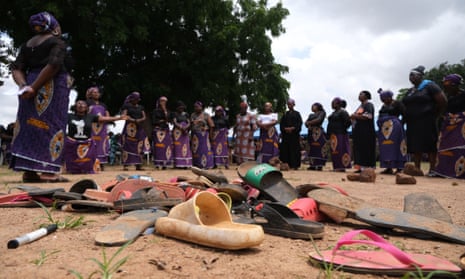
In the Gurmana, a quiet but powerful symbol of survival has emerged from the shadows of persistent insecurity. In Gurmana ward, years of terrorist violence have forced both Muslims and Christians into an unusual coexistence—worshipping under the same roof, as a mosque and church now serve displaced congregations together. Since 2021, fear and displacement have erased long-standing boundaries, replacing them with a shared struggle for safety and dignity.
Residents of Gurmana recount how repeated attacks by armed groups drove families from their homes, leaving behind not just property, but access to the most basic services. Today, the ward stands as a stark example of abandonment: no functional hospital, no school for children, and no access to clean tap water. Daily life has been reduced to survival, with humanitarian needs far outweighing any visible government intervention.
Yet, amid this humanitarian crisis, the government’s focus appears elsewhere. In , the state capital, resources are being channeled into the construction of flyovers—projects many residents describe as disconnected from the urgent realities facing rural communities like Gurmana. Critics argue that such infrastructure, while potentially beneficial in urban planning, pales in relevance against the dire needs of citizens living under the constant threat of violence and deprivation.
The contrast is jarring: a community united by crisis, stripped of essentials, while development priorities tilt toward projects perceived as non-essential. For many, Gurmana is not just a forgotten ward—it is a reflection of a deeper governance gap, where survival hangs in the balance and hope depends on being seen.


