

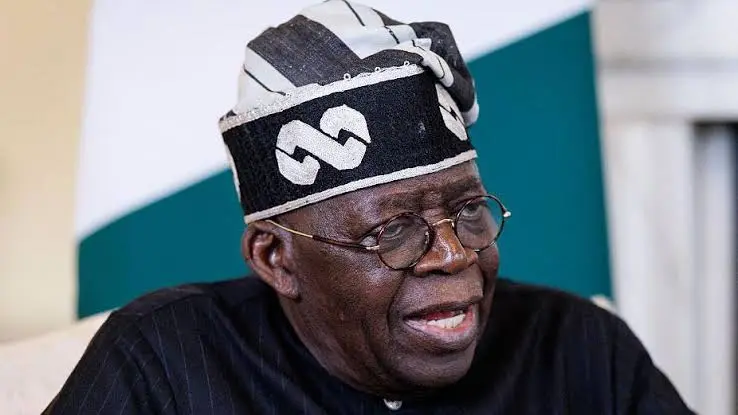
If a sitting president were to declare, “I will not hand over power without a fight,” such a statement would deserve serious public scrutiny. In any constitutional democracy, power is held in trust for the people, not as a personal possession to be defended at all costs.
Nigeria’s democracy has been built on the principle that governments derive their legitimacy from the consent of the governed. Every election is an opportunity for citizens to assess the performance of those in power and either renew or withdraw their mandate through the ballot box. Any rhetoric that appears to cast political competition as a “fight” for power risks undermining public confidence in that democratic process.
As the 2027 general election approaches, Nigerians deserve reassurance that every contestant—including incumbents—will respect the rule of law, uphold the independence of electoral institutions, and accept the outcome of a free, fair, and credible election.
The focus of any incumbent administration should be its record in office. Citizens will judge leadership based on the economy, security, infrastructure, education, healthcare, job creation, and respect for democratic institutions. Campaigns should therefore be contests of ideas, policies, and performance—not contests of intimidation or fear.
The opposition, for its part, has a responsibility to offer credible alternatives, engage peacefully, and convince voters through constructive policies rather than inflammatory rhetoric. Likewise, civil society, the media, security agencies, and the electoral commission must ensure that the democratic space remains open, transparent, and impartial.
Ultimately, no politician is greater than the Nigerian people. The sovereignty of the nation rests with its citizens, whose votes—not force, threats, or political bravado—must determine who governs.
Nigeria’s democratic future will be strengthened not by declarations of fighting for power, but by an unwavering commitment to respecting the will of the electorate. That is the essence of constitutional governance, and it is the standard every leader should embrace.


