

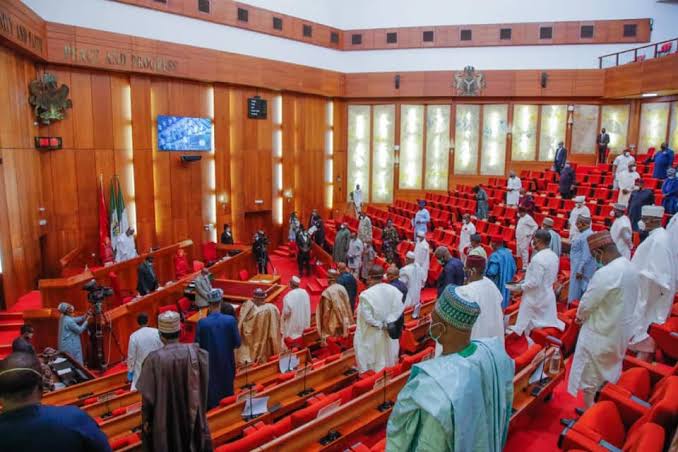
The Nigerian Senate’s rejection of transparency and real-time electronic transmission of INEC election results is not just a policy misstep—it is an anti-democratic provocation. As the country inches toward 2027, this decision reads like a manual for chaos: a time bomb carefully assembled and deliberately left ticking in the heart of an already fragile democracy.
Let us be clear: real-time transmission of results is no longer a luxury. It is the minimum global standard for electoral credibility. By opposing it, the Senate has chosen opacity over openness, suspicion over trust, and political convenience over national stability. In a country where elections are often contested not at polling units but at collation centers, rejecting transparency is tantamount to legitimizing manipulation.
(Kindly subscribe to COPDEM Media TV: https://youtube.com/@copdemmedia )
Nigeria today is not the Nigeria of the early 2000s. The social contract is weak. Trust in institutions is dangerously low. Poverty is widespread, youth unemployment is explosive, and insecurity has stretched state authority thin. This is not a society with the stamina to absorb another round of disputed elections. Any attempt to manufacture outcomes through opaque processes risks igniting consequences the state may not be able to contain.
History offers painful lessons. When citizens believe their votes do not count, they withdraw consent from the system. Protests replace ballots. Streets replace courts. Rage replaces patience. The Senate’s action is therefore not neutral—it actively invites post-election unrest, delegitimizes future governments, and nudges the country toward anarchy.
The irony is bitter. Lawmakers sworn to protect democracy are instead weakening its foundations. By blocking real-time transmission, the Senate sends a dangerous message: that elections are elite negotiations, not expressions of the people’s will. This perception fuels voter apathy on one end and radicalization on the other—both toxic to national cohesion.
Even more troubling is the timing. With 2027 approaching, Nigerians expected reforms that would reduce tension, not decisions that escalate it. A government that fears transparency has already confessed its intentions. No amount of security deployment can substitute for credibility. No propaganda can override lived injustice.
Nigeria cannot police its way out of a legitimacy crisis. It cannot arrest its way out of mass disillusionment. And it certainly cannot survive the consequences of willfully undermining the last peaceful tool citizens have to change their leaders—the vote.
This Senate decision is a warning sign. Ignore it, and the nation risks sliding into a future where elections become triggers for instability rather than instruments of choice. Democracy does not die only through coups; sometimes it is suffocated slowly by lawmakers who fear the truth.
The path forward is simple but urgent: restore transparency, embrace real-time transmission, and respect the intelligence and patience of Nigerians. Anything less is an open invitation to chaos. And Nigeria, in its current state, cannot survive what comes after that explosion.


