

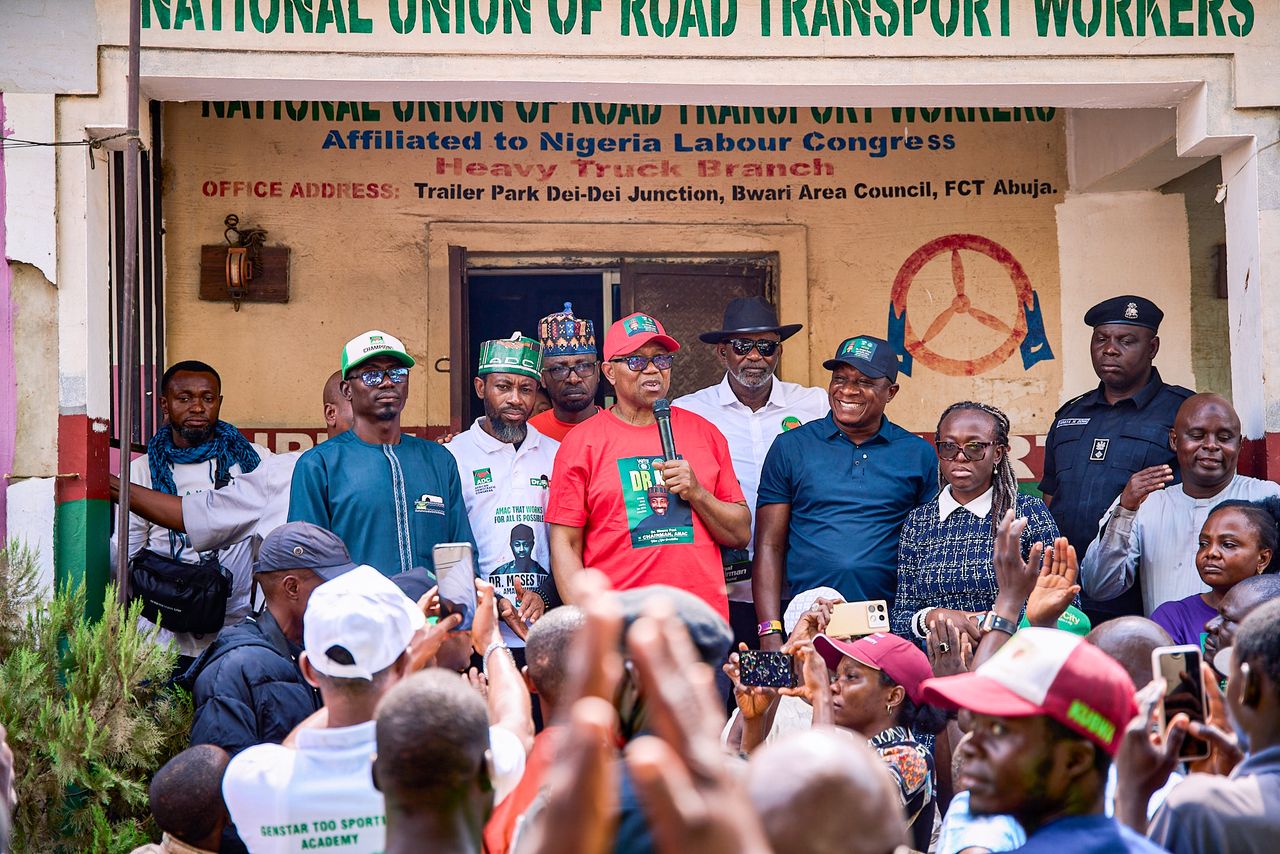
Since Peter Obi’s formal declaration for the African Democratic Congress (ADC) on December 31, the political tempo around the party has changed—dramatically. In the Federal Capital Territory, Obi has been visibly and vigorously on the ground, mobilising, engaging voters, and openly campaigning for ADC candidates. His energy is unmistakable. His presence is felt. His commitment is clear.
But this visibility has also thrown up uncomfortable questions the party can no longer ignore. If ADC is truly a coalition of forces, why does the burden of visibility appear to rest almost entirely on Peter Obi? Where are the other leading figures of the coalition? Why does the public largely see one face, hear one voice, and feel one driving force?
Kindly subscribe to COPDEM Media TV: https://youtube.com/@copdemmedia
A coalition, by definition, implies shared ownership, shared sacrifice, and shared visibility. What Nigerians are observing instead is an uneven political choreography—one principal actor on stage, others seemingly content in the wings. This raises a legitimate concern: is ADC evolving into a broad-based alternative, or quietly morphing into a one-man vehicle?
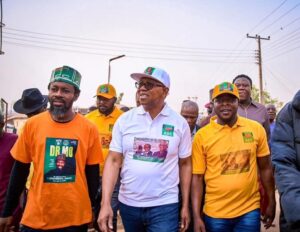
To be clear, Peter Obi’s activism is not the problem. In fact, it is commendable. At a time when Nigerian politicians often outsource grassroots engagement, Obi has chosen direct contact, street-level mobilisation, and personal campaigning. That is leadership. However, leadership in a coalition should be complemented, not isolated.
The silence—or at best, passivity—of other coalition leaders sends the wrong signal. It fuels speculation, weakens internal confidence, and gives opponents an easy talking point: that ADC is merely “Peter Obi’s party” wearing a coalition mask. Perception matters in politics, and right now, perception is drifting faster than party messaging.
Another pressing question follows naturally: when will ADC, as a party structure, truly hit the streets? Campaigns are not built by declarations alone. They are built by coordinated messaging, nationwide mobilisation, visible leadership at all levels, and relentless presence beyond one individual. Candidates across states and constituencies need to feel—and see—that the party is fully behind them.
For undecided Nigerians watching closely, this moment is a test of ADC’s seriousness. A coalition should demonstrate internal balance, collective energy, and strategic unity to prevent collapsing under the weight of its own contradictions. Enthusiasm without structure fades. Momentum without collective ownership stalls.

Other coalition partners should join the streets campaign for all ADC candidates to give the moral support necessary to achieve the first important victory for the party in to boost the hopes of 2027. This piece of note is not to cast doubts but to challenge sleeping members of the coalition to rise to the occasion. These questions are not asked in bad faith. They are asked because Nigerians are watching. Supporters are watching. Skeptics are watching. History is watching.
ADC still has time to answer decisively—with action, not statements. The streets, not press releases, will determine whether this is a living coalition or a borrowed platform. And in politics, silence is never neutral; it is always interpreted.
The ball is now firmly in ADC’s court.


