

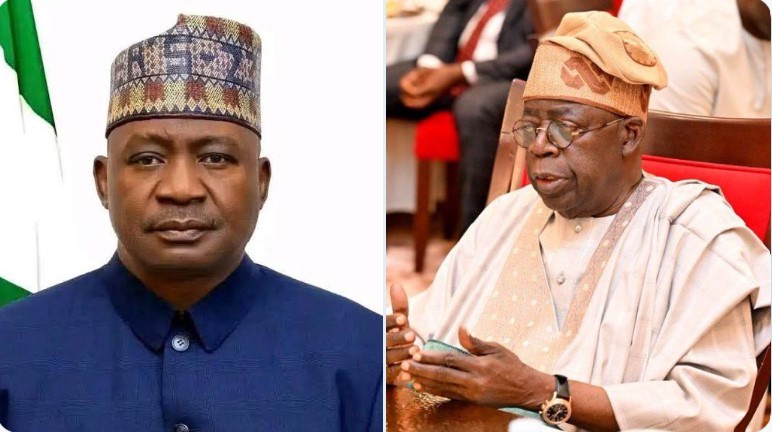
Nigeria’s Minister of Defence, Christopher Musa, has called for the re-election of President Bola Tinubu in 2027, arguing that the administration’s economic and governance reforms require more time to deliver their full benefits.
Speaking at a political event in Borno State on May 31, the minister praised Tinubu’s leadership and described some of the administration’s key policies as bold but necessary steps toward restructuring the Nigerian economy.
According to him, reforms such as the removal of fuel subsidies and the liberalization of the foreign exchange market were difficult decisions that previous administrations had avoided, despite longstanding concerns about their economic impact.
The minister pointed to improvements in several economic indicators, including growth in the Nigerian stock market, increases in foreign reserves, and higher crude oil production levels since Tinubu assumed office in May 2023.
He argued that while the reforms initially imposed hardships on citizens, they were designed to place the economy on a more sustainable path and would yield greater benefits if given sufficient time.
Musa maintained that three years of implementation had shown signs of progress and urged Nigerians to support the continuation of the administration’s policies beyond 2027.
The remarks add to a growing number of endorsements from senior government officials and ruling party figures who have begun publicly advocating for Tinubu’s second-term bid.
However, reactions among Nigerians remain divided.
Supporters of the president argue that the reforms are beginning to stabilize key sectors of the economy and that continuity is necessary to consolidate gains already made.
Critics, on the other hand, point to persistent challenges including inflation, high living costs, electricity shortages, unemployment, and insecurity. Many contend that ordinary Nigerians have yet to experience meaningful improvements in their daily lives despite the government’s reform agenda.
The debate has been particularly intense on social media, where supporters and opponents of the administration continue to clash over the impact of Tinubu’s policies and the direction of the country.
Political analysts note that economic performance is likely to become one of the defining issues of the 2027 election campaign, alongside security, energy, education, and healthcare.
As political parties and potential candidates continue to position themselves ahead of the next election cycle, endorsements from senior government officials are expected to become more frequent, reflecting the increasingly active contest for public opinion.


