

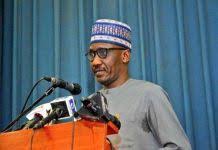
A senior government official from Bauchi State has died while performing the 2026 Hajj pilgrimage in Saudi Arabia, casting a shadow over the spiritual journey of Nigerian pilgrims participating in this year’s exercise.
The deceased, identified as a Permanent Secretary in the Bauchi State civil service, reportedly passed away during the ongoing pilgrimage activities in the holy land. The death has generated widespread sympathy among government officials, fellow pilgrims, and residents of Bauchi State, many of whom described the late administrator as a dedicated public servant committed to the development of the state.
Sources close to the Bauchi State Muslim Pilgrims Welfare Board confirmed that the official died after developing health complications while in Saudi Arabia. Although details surrounding the exact cause of death remain limited, authorities said the deceased had been receiving attention before his passing.
The incident has once again highlighted the health and logistical challenges often associated with the annual Hajj pilgrimage, particularly for elderly pilgrims and individuals with underlying medical conditions. Every year, millions of Muslims from across the world travel to Saudi Arabia to participate in the sacred rites, making it one of the largest religious gatherings globally.
The Hajj pilgrimage is one of the five pillars of Islam and is obligatory for Muslims who are physically and financially capable of undertaking the journey at least once in their lifetime. However, the physically demanding nature of the exercise, combined with extreme weather conditions and large crowds, can pose serious health risks.
Officials from the Bauchi State government expressed sadness over the loss, describing the late Permanent Secretary as an experienced administrator whose contributions to public service would not be forgotten. Condolence messages have continued pouring in from political leaders, colleagues, religious groups, and members of the public since news of the death emerged.
The Bauchi State government is expected to work with Nigerian authorities in Saudi Arabia and the National Hajj Commission of Nigeria to finalize burial arrangements in accordance with Islamic traditions. In many cases involving pilgrims who die during Hajj, burial is conducted in Saudi Arabia following Islamic rites.
Family members of the deceased have also reportedly been informed about the development, while prayers continue to be offered for the repose of his soul. Religious leaders in Bauchi State described the death during Hajj as deeply painful but spiritually significant, noting that many Muslims consider passing away during pilgrimage a moment of honor and divine mercy.
The death comes amid ongoing Hajj activities involving thousands of Nigerian pilgrims currently in Saudi Arabia. Authorities have repeatedly advised pilgrims to prioritize their health by staying hydrated, adhering to medical guidelines, and avoiding unnecessary physical stress during the pilgrimage.
Saudi authorities and international Hajj agencies have also continued implementing measures aimed at improving safety and healthcare services for pilgrims. These include emergency response systems, medical support centers, crowd control strategies, and public awareness campaigns focused on heat-related illnesses and exhaustion.
Despite such measures, fatalities during Hajj are not uncommon due to the scale of the gathering and the physical demands involved. Health experts have consistently warned that older pilgrims and those with pre-existing health conditions face greater risks during the pilgrimage, especially under high temperatures.
The National Hajj Commission of Nigeria has in recent years intensified efforts to improve the welfare of Nigerian pilgrims through medical screenings, orientation programs, and enhanced coordination with Saudi authorities. Pilgrims are usually advised to undergo thorough medical evaluations before departure to ensure they are fit for the journey.
The latest incident has therefore renewed conversations about the importance of health preparedness and medical support during Hajj operations. Some observers believe more attention should be given to continuous monitoring of vulnerable pilgrims, especially senior citizens and public officials who may already be dealing with age-related health concerns.
Meanwhile, tributes to the deceased Permanent Secretary have continued across Bauchi State. Colleagues within the state civil service described him as disciplined, professional, and committed to effective governance. Several associates recalled his years of service and contributions to policy implementation within the state administration.
Political leaders also praised the late official’s dedication to duty, saying his death represents a major loss to the state government and the public service community. Religious groups have organized prayer sessions in his honor, while sympathizers continue visiting the family to offer condolences.
The Hajj pilgrimage remains one of the most spiritually significant experiences for Muslims worldwide, attracting millions annually to the holy cities of Mecca and Medina. For many pilgrims, the journey represents a profound moment of faith, sacrifice, and devotion.
However, the realities of managing such a massive gathering continue to pose challenges for both pilgrims and authorities. Issues related to transportation, accommodation, healthcare, crowd management, and climate conditions require extensive planning and coordination every year.
In recent years, Saudi Arabia has invested heavily in infrastructure and technology to improve the Hajj experience and reduce risks associated with overcrowding and emergencies. Authorities have introduced digital monitoring systems, upgraded transportation networks, and expanded healthcare facilities to accommodate the growing number of pilgrims.
For Nigerian pilgrims, the annual pilgrimage also serves as a significant national exercise involving coordination between federal agencies, state pilgrim boards, airlines, healthcare workers, and religious officials. Thousands of Nigerians travel to Saudi Arabia each year under organized arrangements supervised by relevant authorities.
As mourning continues in Bauchi State, many residents have reflected on the fragility of life and the spiritual significance of dying during an act of worship. Islamic scholars often describe such moments as a reminder of faith and devotion, though the emotional pain for families and colleagues remains profound.
The death of the Bauchi Permanent Secretary has therefore become both a moment of grief and reflection for many Nigerians participating in the 2026 Hajj pilgrimage.
While authorities continue handling necessary arrangements, prayers are being offered for the deceased, his family, and all pilgrims currently undertaking the sacred journey in Saudi Arabia.


