

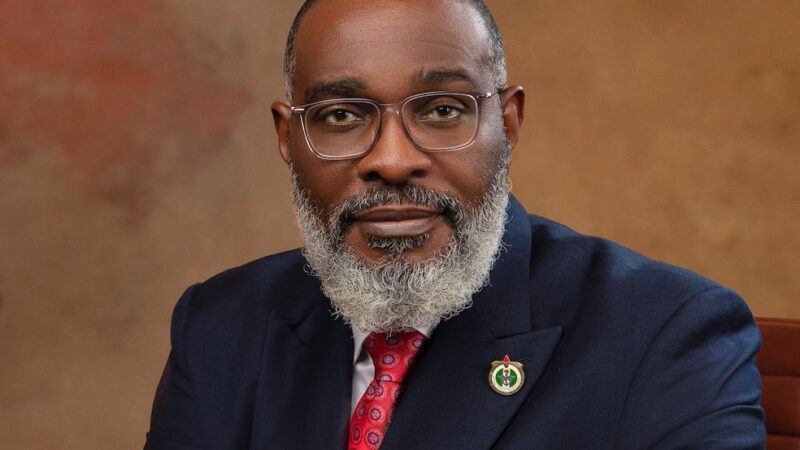
The decision by President Bola Ahmed Tinubu to appoint a homeland security adviser has continued to generate widespread discussion across Nigeria’s political and security landscape, with analysts and government insiders pointing to rising national security concerns as the major factor behind the move.
The appointment, which forms part of broader efforts to strengthen Nigeria’s security architecture, is being viewed by many observers as a strategic response to the country’s increasingly complex internal security challenges. From terrorism and banditry to cyber threats, separatist tensions, kidnapping, and attacks on critical infrastructure, Nigeria has faced mounting pressure to improve coordination among security agencies and adopt more proactive domestic security measures.
According to political analysts, the creation of a homeland security advisory structure signals the Tinubu administration’s recognition that traditional security frameworks alone may no longer be sufficient to tackle evolving threats across the country. Experts say the move is intended to improve intelligence gathering, emergency response coordination, and long-term internal security planning.
Government sources familiar with the administration’s thinking argue that the role was introduced to focus specifically on domestic threats that directly affect citizens, economic activities, and public institutions. Unlike conventional defense structures largely focused on military operations and external threats, homeland security systems are designed to strengthen internal stability and protect critical national assets.
Nigeria has in recent years witnessed growing insecurity across multiple regions. In the North-East, insurgent groups linked to Boko Haram and ISIS affiliates continue launching attacks despite years of military operations. In the North-West, banditry and mass kidnappings have disrupted farming communities and local economies. The South-East has experienced separatist tensions and violent attacks on security facilities, while oil theft and pipeline vandalism remain major concerns in the Niger Delta.
These overlapping security crises have increased calls for more specialized coordination among intelligence agencies, law enforcement bodies, and emergency management institutions.
Observers believe Tinubu’s appointment of a homeland security adviser reflects lessons drawn from global security models, particularly in countries where homeland security structures play central roles in coordinating responses to terrorism, border security, cybercrime, and disaster management.
The move has also fueled speculation about possible reforms within Nigeria’s broader national security system. Some analysts expect stronger integration between federal agencies responsible for intelligence, immigration, cybersecurity, disaster response, and infrastructure protection.
Security experts argue that modern threats require a multidimensional approach that goes beyond military force alone. According to them, issues such as cyberattacks, financial crimes, disinformation campaigns, food insecurity, and attacks on public infrastructure now pose serious risks to national stability and require dedicated coordination.
Another factor believed to have influenced the decision is the growing concern over threats to critical national infrastructure. Nigeria has experienced repeated attacks on pipelines, electricity facilities, telecommunications installations, and transportation systems in recent years, causing economic losses and disruptions to public services.
Experts say a homeland security framework could help improve surveillance, crisis management, and protection of strategic assets essential to national development.
The Tinubu administration has consistently emphasized security as one of its major priorities since assuming office. Government officials have repeatedly stated that economic reforms and investment growth cannot succeed without improved security and stability across the country.
Supporters of the appointment argue that creating a dedicated homeland security advisory position demonstrates seriousness about institutional reforms and long-term planning. They believe the adviser could serve as a bridge between intelligence agencies and policymakers, ensuring faster responses to emerging threats.
However, critics have questioned whether the new role could create overlaps with existing security offices and agencies already operating within Nigeria’s security structure. Some opposition figures and policy analysts argue that Nigeria’s challenge is not necessarily the absence of security institutions but rather poor coordination, inadequate funding, and weak implementation of policies.
There are also concerns about bureaucracy and the possibility of duplication of responsibilities among various government offices. Analysts warn that unless the role is clearly defined, it may lead to administrative conflicts or inefficiencies within the broader security framework.
Despite these concerns, many security professionals insist that the changing nature of global threats makes specialized homeland security coordination increasingly necessary. They note that countries worldwide are restructuring security institutions to address modern risks ranging from cyber warfare and transnational crime to climate-related emergencies and internal extremism.
Political analysts also believe the appointment may carry strategic political significance ahead of future elections and governance reforms. Strengthening internal security mechanisms could help the administration improve public confidence at a time when insecurity remains one of the most pressing concerns among Nigerians.
Public perception of security performance continues to play a major role in shaping political approval and trust in government institutions. Rising cases of kidnapping, violent attacks, and communal clashes have intensified demands for more effective action from authorities.
The homeland security adviser is therefore expected to play a critical role in shaping policy recommendations and supporting efforts aimed at improving coordination among federal and state security structures.
Some experts have also linked the appointment to increasing concerns about border security and regional instability in West Africa. The political and security crises in neighboring countries, including coups and insurgent activities within the Sahel region, have raised fears about cross-border threats affecting Nigeria.
Nigeria’s strategic position as Africa’s most populous country and largest economy means developments within the region often have direct implications for national security. Analysts believe stronger homeland security coordination may help authorities better monitor migration patterns, arms trafficking, and transnational criminal networks.
Cybersecurity is another major area expected to receive attention under the new advisory framework. With increasing digitalization of banking, telecommunications, and government services, experts warn that cyber threats now represent serious national security concerns capable of disrupting economic activities and compromising sensitive information.
As discussions continue around the real reason behind Tinubu’s decision, many Nigerians are watching closely to see whether the appointment will translate into measurable improvements in security outcomes across the country.
For citizens affected daily by insecurity, the ultimate expectation remains clear: safer communities, stronger institutions, and more effective protection of lives and property.
Whether the homeland security adviser becomes a transformative addition to Nigeria’s security architecture or simply another bureaucratic position will likely depend on implementation, coordination, and the administration’s willingness to pursue meaningful reforms in the months and years ahead.


