

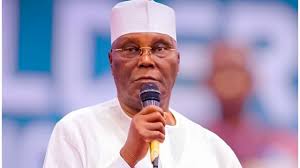
Former Vice President Atiku Abubakar has renewed his criticism of the administration of President Bola Ahmed Tinubu, arguing that many Nigerians are experiencing unprecedented economic hardship amid ongoing reforms and rising living costs.
Atiku’s comments came in response to recent remarks from the Presidency defending the government’s economic policies and reform agenda. The former presidential candidate maintained that the current economic realities facing citizens reflect growing challenges in the country’s cost of living and overall welfare.
According to Atiku, many households are struggling with rising food prices, transportation costs, inflation, and reduced purchasing power. He argued that the impact of recent economic policies has placed significant pressure on ordinary Nigerians, particularly low-income earners and small business owners.
The Presidency, however, has consistently defended the administration’s policies, stating that difficult but necessary reforms are being implemented to stabilize the economy and create a foundation for sustainable growth. Government officials have repeatedly emphasized that measures such as fuel subsidy removal and foreign exchange reforms are designed to address long-standing structural challenges.
The exchange highlights the continuing debate over the state of Nigeria’s economy and the effectiveness of ongoing reforms. While opposition figures argue that citizens are bearing the burden of economic adjustments, supporters of the administration maintain that the policies are essential for long-term national development.
Economic analysts note that inflation, unemployment, and the cost of living remain among the most pressing concerns for many Nigerians. They argue that the success of current reforms will ultimately be measured by their ability to improve living standards, create jobs, and stimulate economic growth.
Political observers also view the latest disagreement as part of broader political positioning ahead of future elections, with opposition leaders and government officials increasingly engaging in debates over economic performance and governance.


