

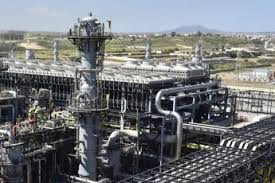
Algeria has officially commenced work on a major trans-African gas pipeline project aimed at transporting natural gas from Africa to European markets, marking a significant milestone in the continent’s energy sector and strengthening efforts to diversify global energy supplies.
The ambitious infrastructure project is expected to enhance regional energy cooperation, boost economic integration across Africa, and position the continent as an increasingly important player in the global energy market.
Industry experts have described the development as one of Africa’s most strategic energy initiatives in recent years, with the potential to transform gas exports and generate substantial economic benefits for participating countries.
Strategic Energy Corridor Takes Shape
The trans-African gas pipeline project is designed to transport natural gas across multiple African countries before connecting to existing energy infrastructure that supplies European consumers.
The initiative forms part of broader efforts by African nations to monetize vast natural gas reserves while meeting growing international demand for alternative energy sources.
Energy analysts note that Europe has been actively seeking to diversify its energy supply routes in recent years, creating new opportunities for African gas producers.
Algeria, already one of Africa’s leading natural gas exporters, is expected to play a central role in the project’s implementation and future operations.
Government officials say the pipeline will strengthen energy partnerships between African countries while expanding export opportunities for gas-producing nations.
Economic Benefits for Participating Nations
The project is expected to deliver significant economic benefits across the countries involved in the pipeline corridor.
Experts predict that construction activities alone will create thousands of direct and indirect jobs in engineering, logistics, manufacturing, and related sectors.
Once operational, the pipeline is expected to generate substantial revenue through gas exports, transit fees, and associated investments.
Participating governments believe the infrastructure will stimulate local economies by attracting investment into energy, transportation, and industrial development projects.
Analysts also note that improved energy infrastructure could encourage broader economic growth by supporting industrialization and enhancing access to reliable energy supplies.
The project is being viewed as an opportunity to unlock the economic potential of Africa’s vast natural gas resources.
Strengthening Africa-Europe Energy Relations
The launch of the pipeline comes amid increasing cooperation between African energy producers and European markets.
European countries have intensified efforts to secure alternative energy sources as part of broader strategies aimed at improving energy security and reducing supply vulnerabilities.
Energy experts argue that Africa possesses significant untapped gas reserves capable of contributing to global energy needs for decades.
The new pipeline is expected to strengthen trade relations between Africa and Europe while creating long-term opportunities for energy cooperation.
Industry stakeholders believe the project could enhance Africa’s influence within the global energy landscape by providing a reliable supply route to international markets.
Regional Integration and Cooperation
Beyond its commercial significance, the pipeline is also expected to promote regional integration among participating African countries.
Large-scale infrastructure projects often require extensive cooperation on policy, regulation, security, and investment frameworks.
Experts say the initiative could strengthen economic ties and encourage greater collaboration on future cross-border development projects.
Regional organizations and development institutions have repeatedly emphasized the importance of integrated infrastructure in advancing continental growth objectives.
Supporters of the project argue that it aligns with broader goals of economic connectivity and regional development across Africa.
Challenges and Financing Considerations
Despite the optimism surrounding the project, analysts acknowledge that significant challenges remain.
Large-scale energy infrastructure projects typically require substantial financial investments, complex engineering solutions, and long-term political commitment.
Security concerns along some sections of the proposed route have also been highlighted as issues requiring careful management.
Industry observers stress the importance of sustained cooperation among governments, investors, and development partners to ensure successful implementation.
Environmental considerations and regulatory compliance are also expected to play important roles throughout the construction and operational phases.
Experts believe addressing these challenges effectively will be critical to achieving the project’s long-term objectives.
Africa’s Growing Role in Global Energy Markets
The commencement of work on the trans-African gas pipeline reflects Africa’s growing importance within the global energy sector.
The continent possesses some of the world’s largest untapped reserves of natural gas, attracting increasing attention from international investors and energy consumers.
Countries across Africa have intensified efforts to develop energy infrastructure capable of supporting domestic consumption and export growth.
Industry analysts believe projects such as the trans-African pipeline could help accelerate economic development while enhancing energy security both within Africa and abroad.
As construction progresses, stakeholders will be watching closely to assess the project’s impact on regional cooperation, economic growth, and international energy trade.
For Algeria and its partners, the initiative represents a bold step toward transforming Africa’s energy potential into a major driver of continental prosperity and global influence.


