

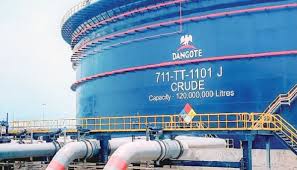
The Dangote Refinery has stated that exporting refined petroleum products only to re-import them into Nigeria makes little economic sense, as discussions continue over fuel distribution, local refining, and energy security in the country.
The refinery’s position comes amid ongoing debates about the role of domestic refining in reducing Nigeria’s dependence on imported petroleum products. According to company officials, one of the primary objectives of establishing a large-scale local refinery was to meet domestic fuel demand efficiently while minimizing unnecessary logistics and associated costs.
Industry stakeholders note that exporting fuel and subsequently importing the same products back into Nigeria could increase transportation expenses, insurance costs, and foreign exchange pressures. Such a process, they argue, may ultimately lead to higher costs within the supply chain.
The Dangote Refinery, regarded as one of Africa’s largest refining facilities, was established to help address long-standing challenges in Nigeria’s downstream petroleum sector. Supporters of local refining believe increased domestic production could improve fuel availability, reduce import dependency, and strengthen the country’s energy security.
Energy analysts have also emphasized the economic benefits of refining petroleum products within Nigeria. They argue that local refining has the potential to create jobs, support industrial growth, conserve foreign exchange, and improve overall efficiency in the petroleum value chain.
The refinery’s comments come as policymakers and industry participants continue to explore strategies for optimizing fuel supply and ensuring price stability in the domestic market. Discussions have also focused on how local refining capacity can complement broader government efforts aimed at enhancing economic growth and reducing vulnerabilities associated with global fuel market fluctuations.
Meanwhile, experts say the success of domestic refining initiatives will depend on factors such as crude oil supply, infrastructure development, regulatory stability, and efficient distribution networks.


