

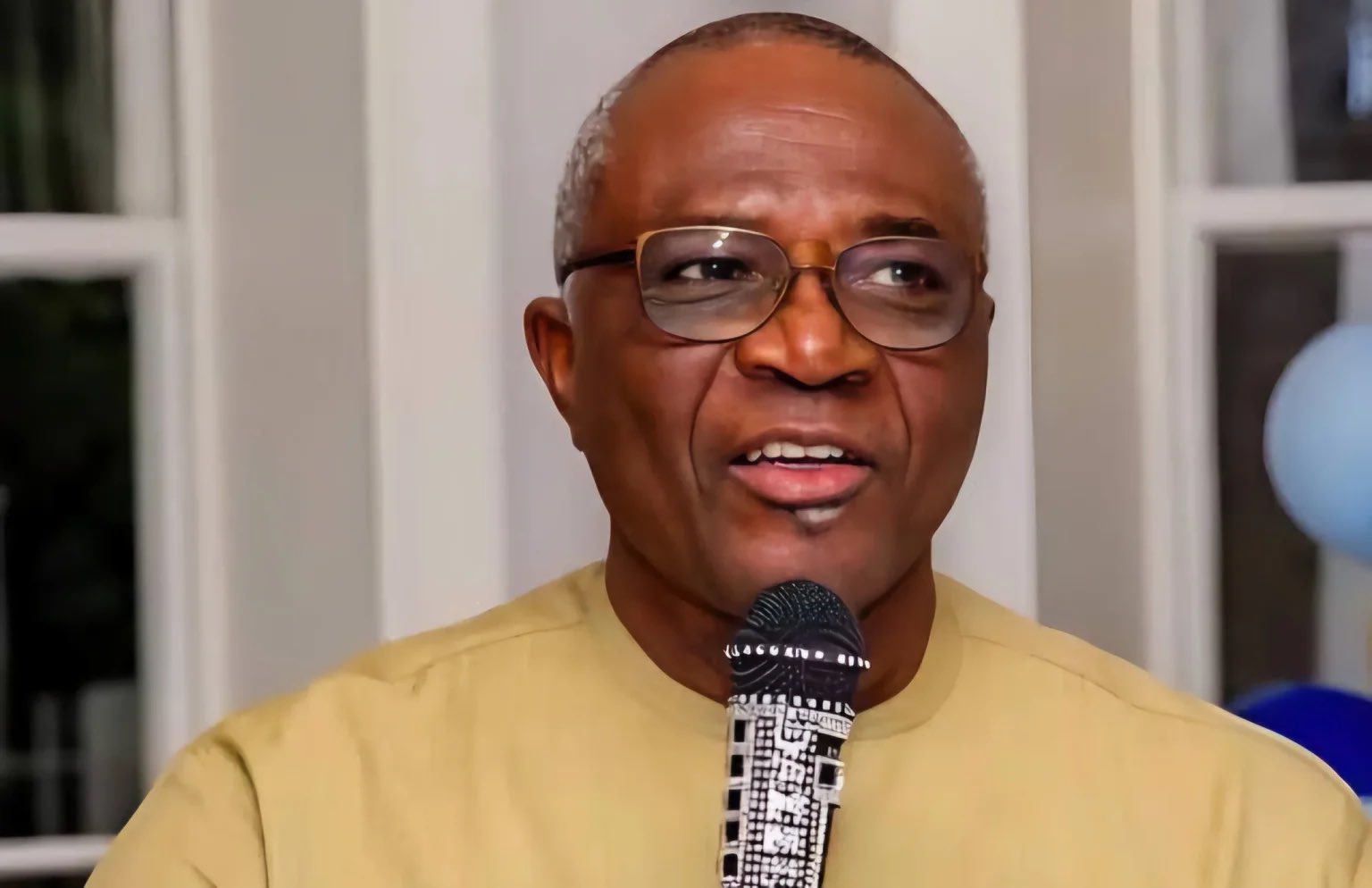
The Special Adviser to President Bola Ahmed Tinubu on Information and Strategy, Bayo Onanuga, has accused sections of the Nigerian media of creating a misleading narrative that portrays the country as completely overwhelmed by insecurity.
Speaking during an interview on ARISE Television, Onanuga argued that while Nigeria continues to face genuine security challenges, some reports fail to acknowledge the progress made by security agencies in tackling criminal activities across the country.
He made the remarks while responding to questions from ARISE anchor Charles Aniagolu, who referenced criticisms by opposition figure Peter Obi regarding the state of security and governance in the country.
To support his position, Onanuga cited his personal experience of travelling by road from Ebonyi State to Enugu State without security escorts, arguing that such experiences contradict the notion that every part of Nigeria has become inaccessible or unsafe.
He also noted that government advisories warning against certain activities, such as unnecessary night travel in some areas, should not be interpreted as evidence that the entire country is under siege.
However, his comments triggered widespread reactions on social media, where many Nigerians disputed his assessment and shared personal experiences of insecurity, including incidents of kidnapping, armed attacks, and fears over travelling on some highways.
Critics argued that isolated cases of safe movement do not erase the experiences of communities affected by violence, banditry, terrorism, and criminal attacks across different regions of the country.
Supporters of the administration, on the other hand, maintained that media reports should present a balanced picture by highlighting both security challenges and the successes recorded by the military, police, and other security agencies.
Nigeria has faced persistent security threats ranging from insurgency in the North-East to banditry, kidnapping, communal violence, and other criminal activities in several parts of the country. Security agencies have recorded successes in rescuing victims, neutralising criminal groups, and dismantling hideouts, but attacks and abductions continue to raise public concern.
The debate surrounding Onanuga’s remarks reflects the wider national conversation about the balance between accurately reporting insecurity and acknowledging government efforts to improve public safety.
As the country approaches the 2027 general elections, issues of security, economic hardship, and governance are expected to remain central topics in political debates between the government, opposition figures, and the Nigerian public.


