

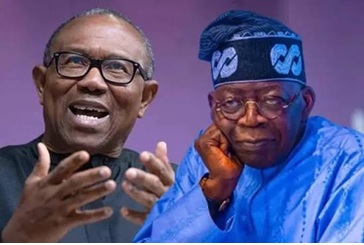
The presidential candidate of the Nigeria Democratic Congress (NDC) for the 2027 general elections, Peter Obi, has called on President Bola Ahmed Tinubu to resign over what he described as the administration’s failure to address worsening economic hardship, insecurity, and the persistent challenges in the nation’s power sector.
In a statement shared on his X account, Obi argued that the current state of governance in Nigeria had reached a level that warranted leadership accountability. He pointed to widespread complaints over unstable electricity supply, increasing cost of living, unemployment concerns, and recurring security incidents as evidence that the government had not met citizens’ expectations.
Obi also referenced past political debates in Nigeria, noting that Tinubu, while in opposition, had previously demanded accountability from former administrations over similar challenges. He argued that the same standard should apply to the current government.
The former Anambra State governor compared the Nigerian situation with political developments in the United Kingdom, where leadership changes have often followed public dissatisfaction over economic conditions and governance outcomes. He maintained that democratic systems should allow leaders to accept responsibility when they are unable to deliver expected results.
However, the Presidency rejected Obi’s comments, describing the call for resignation as politically motivated and inconsistent with democratic principles. Government officials defended the Tinubu administration’s record, pointing to improvements in key economic indicators, including reported growth in Gross Domestic Product (GDP), increased crude oil production, and higher revenues distributed among the three tiers of government.
The government further argued that ongoing economic reforms and security operations were beginning to produce positive outcomes and urged Nigerians to allow time for long-term policies to take effect.
The exchange between Obi and the Presidency has generated widespread reactions among Nigerians, with supporters of the opposition leader agreeing that the country continues to face serious challenges requiring urgent solutions.
Others, however, backed the government’s position, arguing that reforms such as the removal of fuel subsidies, efforts to stabilise public finances, and security operations should be assessed over a longer period before a final judgment is made.
Economic analysts note that Nigeria’s current realities present a complex picture. While some macroeconomic indicators have shown signs of improvement, many citizens continue to experience inflation, high living costs, unemployment pressures, and difficulties associated with limited access to reliable electricity.
Similarly, security agencies have recorded successes in rescuing abducted victims and disrupting criminal networks, yet incidents of kidnapping, banditry, and violent attacks remain major concerns in several parts of the country.
The latest war of words underscores the intensifying political rivalry ahead of the 2027 general elections, with opposition figures increasing scrutiny of the government’s performance and the ruling party defending its policies and achievements.
As political debates continue, many Nigerians are likely to judge both the government and opposition parties based on their ability to provide credible solutions to the country’s longstanding economic, security, and governance challenges.


