

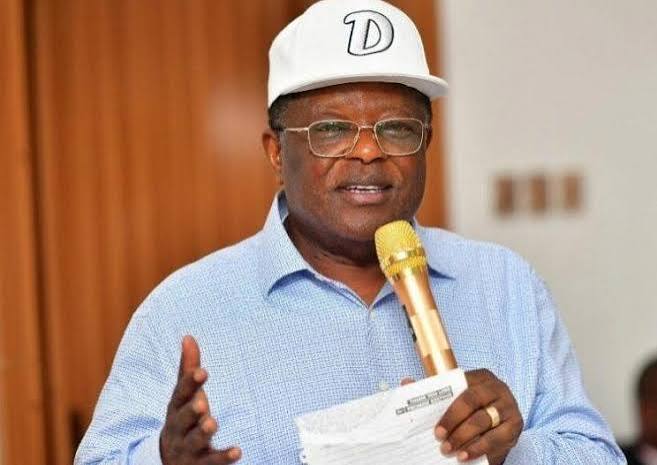
Minister of Works David Umahi has expressed strong confidence in President Bola Ahmed Tinubu’s leadership, predicting that the Nigerian leader will remain in office until 2031 if he continues to receive the support of Nigerians and succeeds in delivering on his administration’s development agenda.
Umahi made the remarks while addressing supporters and stakeholders during a public event, where he highlighted ongoing infrastructure projects and defended the policies of the current administration. His comments have since generated discussions across the political landscape as preparations for the 2027 general elections gradually begin to take shape.
According to the former Ebonyi State governor, President Tinubu’s administration has embarked on reforms and development initiatives that he believes will positively impact the country in the long term. Umahi argued that many of the government’s policies are designed to address structural challenges and lay the foundation for sustained economic growth.
The Works Minister stated that despite the difficulties associated with major reforms, the administration remains focused on improving critical sectors of the economy, including infrastructure, transportation, energy, and investment.
Speaking on Tinubu’s political future, Umahi expressed optimism that the president would complete his current tenure and potentially secure another mandate from Nigerians if the electorate is satisfied with the administration’s performance.
He further suggested that divine favor and public support would play important roles in determining the country’s political direction in the coming years. His comments referencing God’s role in leadership attracted attention from supporters and critics alike, adding another dimension to discussions about Nigeria’s political future.
President Tinubu assumed office in May 2023 and has since introduced a series of economic and fiscal reforms aimed at restructuring key sectors of the economy. Among the most significant policy decisions of the administration have been the removal of fuel subsidies, foreign exchange reforms, and efforts to increase revenue generation.
Supporters of the administration argue that these measures, though challenging in the short term, are necessary to stabilize the economy and create opportunities for long-term development. They point to ongoing infrastructure projects and efforts to attract investment as evidence of the government’s commitment to national growth.
However, critics have raised concerns about the impact of some reforms on the cost of living. Rising inflation, increased transportation costs, and food prices have become major issues affecting many households across the country.
Despite these concerns, Umahi insisted that the administration remains committed to delivering results. He highlighted several road and infrastructure projects currently underway, describing them as critical investments that will improve connectivity, facilitate trade, and support economic expansion.
The minister noted that transportation infrastructure remains central to the government’s development strategy. According to him, improved roads and highways will enhance mobility, reduce logistics costs, and encourage business activities in various parts of the country.
Political observers say Umahi’s endorsement reflects growing efforts by members of the ruling All Progressives Congress (APC) to build support for Tinubu ahead of future political contests. Although the next presidential election is still years away, conversations about potential candidates and alliances have already begun within various political circles.
Analysts note that incumbency often provides significant advantages in Nigerian politics, but electoral outcomes are typically influenced by factors such as economic performance, security conditions, governance records, and public perception.
Supporters of Tinubu have continued to express confidence that ongoing reforms will yield positive outcomes before the next election cycle. They argue that major policy changes often require time before their benefits become visible to citizens.
Opposition figures, however, maintain that voters will ultimately judge the administration based on tangible improvements in living standards, employment opportunities, security, and economic stability.
As political discussions continue to evolve, Umahi’s remarks have added momentum to debates about the future of Nigeria’s leadership and the prospects of the ruling party. His prediction that Tinubu could remain in office until 2031 reflects the confidence some government officials have in the administration’s ability to retain public support.
For now, attention remains focused on the implementation of government policies and the impact they will have on Nigerians in the years leading up to the next general elections.


