

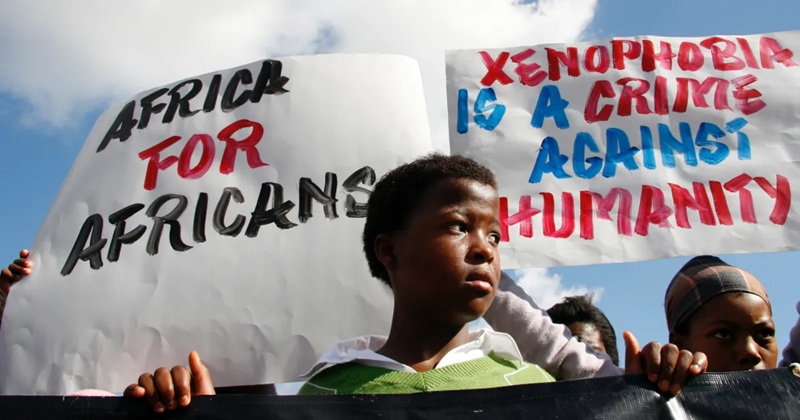
South Africa’s Minister of Justice and Constitutional Development, Mmamoloko Kubayi, has expressed concern over the country’s growing reputation for xenophobia, warning that negative perceptions abroad are beginning to have tangible economic, diplomatic, and cultural consequences for South Africans.
Speaking at a recent engagement on national cohesion and social stability, Kubayi said incidents of hostility toward foreign nationals, coupled with the international perception that such attitudes are widespread, are increasingly affecting how South Africa is viewed around the world.
According to the minister, the consequences extend beyond international headlines, impacting trade relations, tourism, investment opportunities, and the experiences of South African citizens traveling or living abroad.
Kubayi stressed that perceptions matter in a globally interconnected world and warned that persistent reports of xenophobic attacks and anti-immigrant sentiment could undermine the country’s standing as a leading economic and diplomatic power on the African continent.
She noted that South Africa has historically been regarded as a champion of human rights, democracy, and African solidarity, values that played a significant role in shaping its post-apartheid identity and international reputation.
However, repeated incidents involving violence, discrimination, and tensions directed at foreign nationals have raised concerns among regional partners and international observers.
The minister emphasized that while criminal activities should be addressed through lawful means, entire communities or nationalities should not be blamed for social and economic challenges facing the country.
She urged South Africans to reject narratives that promote division and instead embrace the principles of tolerance, inclusion, and mutual respect.
According to Kubayi, xenophobia not only harms migrants and foreign residents but also damages South Africa’s long-term national interests.
Economic analysts have warned that negative perceptions of social instability can discourage foreign investment and affect tourism, sectors that play important roles in job creation and economic growth.
Diplomatic experts also note that tensions involving foreign nationals can strain relations between South Africa and other African countries whose citizens live and work within its borders.
The minister’s comments come amid ongoing debates about migration, unemployment, crime, and social cohesion in South Africa. Some communities have expressed frustration over economic hardship and competition for limited opportunities, while human rights advocates argue that migrants are often unfairly scapegoated for broader structural problems.
Civil society organizations welcomed Kubayi’s remarks, describing them as an important reminder that social harmony and respect for human dignity are essential to national development.
Many advocates have called for stronger public education campaigns, improved community engagement, and more effective enforcement of laws against hate crimes and discrimination.
Political analysts say the minister’s intervention reflects growing awareness within government that perceptions of xenophobia can have consequences far beyond domestic politics.
They argue that maintaining South Africa’s reputation as an inclusive and welcoming nation is critical to its ambitions as a regional leader and global economic player.
As discussions continue, Kubayi’s warning has reignited debate about the balance between addressing legitimate concerns over migration and ensuring that all individuals are treated with dignity and respect regardless of nationality.
Observers note that the challenge facing South Africa is not only combating acts of xenophobia but also rebuilding confidence among international partners, investors, tourists, and fellow Africans who view the country as a symbol of unity and progress on the continent.


