

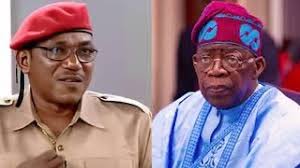
Former Minister of Youth and Sports Development, Solomon Dalung, has warned that worsening economic hardship and persistent insecurity across Nigeria could pose significant challenges to President Bola Ahmed Tinubu’s chances of securing a second term in office in the 2027 general elections.
Dalung made the remarks while assessing the current political and socio-economic climate in the country, arguing that the performance of any administration ultimately influences voter decisions during elections.
His comments come amid growing national conversations about inflation, the rising cost of living, unemployment, and security concerns, issues that have remained at the center of public discourse since the beginning of Tinubu’s administration.
Dalung Highlights Key Challenges Facing the Government
According to Dalung, Nigerians are increasingly concerned about economic conditions and security challenges affecting their daily lives.
He noted that many citizens continue to struggle with rising food prices, transportation costs, and declining purchasing power, while insecurity remains a concern in several parts of the country.
The former minister argued that if these issues persist without noticeable improvements, they could become major factors in shaping voter sentiment ahead of the next presidential election.
Dalung emphasized that democratic elections often serve as an opportunity for citizens to evaluate the performance of elected leaders and determine whether they deserve another term in office.
He maintained that public perception of governance outcomes will likely play a crucial role in the political calculations leading up to 2027.
Economic Hardship Remains a Major Concern
Nigeria has experienced significant economic adjustments in recent years, including policy reforms that have generated both praise and criticism from various stakeholders.
While government officials have defended several economic measures as necessary steps toward long-term stability and growth, many Nigerians continue to express concerns about the immediate impact on household incomes and living standards.
Economic analysts have pointed to inflation, foreign exchange pressures, and increased costs of essential goods and services as factors contributing to public dissatisfaction.
Dalung argued that addressing these concerns should remain a priority for the administration if it hopes to maintain broad public support.
According to him, economic realities often have a direct influence on political outcomes, particularly in democratic societies where voters assess leaders based on tangible improvements in their lives.
Insecurity and Public Confidence
Beyond economic issues, Dalung identified insecurity as another critical challenge that could affect future political developments.
Despite ongoing efforts by security agencies to combat criminal activities, concerns remain regarding banditry, kidnapping, terrorism, and communal conflicts in different parts of the country.
The former minister stressed that citizens expect governments to provide security and stability, describing public safety as one of the most important responsibilities of any administration.
He suggested that progress in addressing security challenges would be closely monitored by voters as political activities ahead of 2027 begin to intensify.
Political observers agree that security remains one of the most influential issues in Nigerian elections, often shaping public opinion and campaign narratives.
Political Implications Ahead of 2027
Dalung’s comments have added to the growing debate about the political landscape ahead of the next general election.
Although the election is still years away, political stakeholders are already analyzing factors that could influence voter behavior and determine electoral outcomes.
Analysts note that incumbency can provide significant advantages, but public approval often depends on an administration’s ability to address pressing national concerns.
Opposition parties and political movements are also expected to focus heavily on economic and security issues as they develop strategies for future campaigns.
According to political experts, governance performance will likely remain one of the most important issues discussed by voters in the years leading up to the election.
Government Supporters Defend Reforms
Supporters of President Tinubu’s administration have consistently argued that many of the economic challenges currently facing Nigerians are part of a difficult but necessary transition toward sustainable growth.
Government officials have highlighted infrastructure projects, economic reforms, investment initiatives, and efforts to strengthen national security as evidence of ongoing progress.
They maintain that the full benefits of current policies may take time to materialize and that the administration remains committed to improving living conditions across the country.
These differing perspectives are expected to continue shaping political debates as the next election cycle approaches.
Looking Ahead
With the 2027 elections gradually coming into focus, discussions surrounding governance, economic recovery, and national security are likely to become increasingly prominent.
Dalung’s warning reflects concerns shared by many Nigerians regarding the country’s current challenges and their potential political implications.
Whether these issues ultimately affect President Tinubu’s re-election prospects will depend on developments over the coming years and the government’s ability to respond effectively to public expectations.
As political conversations intensify, voters will continue to evaluate policies, performance, and leadership outcomes that could shape the future direction of Nigeria’s democracy.


