

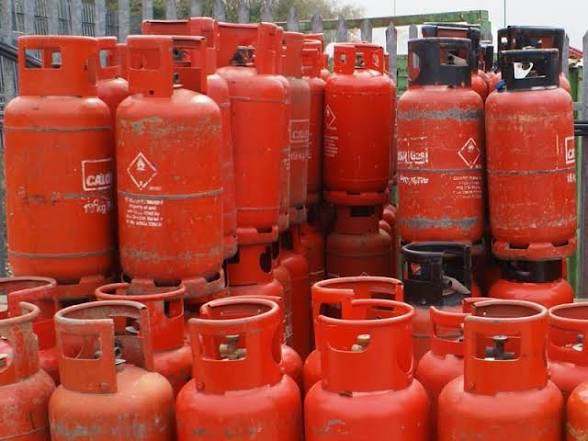
The price of cooking gas has increased to as much as N2,400 per kilogram in some cities, compared to approximately N1,000 in May, forcing many households to turn to alternative energy sources such as firewood and charcoal.
While filling stations currently sell cooking gas at prices ranging from N1,650 to N1,900 per kilogram, neighborhood retailers often charge higher rates due to additional transportation and distribution costs.
The Liquefied Petroleum Gas (LPG) Marketers Association has also raised concerns about a potential supply shortage, noting that marketers now pay as much as N26.2 million for 20 metric tonnes of LPG.
Despite increased domestic production, cooking gas prices continue to climb, further intensifying the cost-of-living challenges faced by millions of Nigerians.
The price of cooking gas has increased to as much as N2,400 per kilogram in some cities, compared to approximately N1,000 in May, forcing many households to turn to alternative energy sources such as firewood and charcoal.
The steady rise in cooking gas prices has been a major concern for Nigerian households since 2015. Around 2015, a kilogram of cooking gas sold for between N200 and N300 in many parts of the country, making it a relatively affordable and cleaner alternative to kerosene and firewood. However, over the years, prices have risen significantly due to a combination of factors including foreign exchange fluctuations, inflation, rising transportation costs, supply chain challenges, and increases in global energy prices.
Between 2016 and 2020, the depreciation of the naira against major foreign currencies increased the cost of importing LPG and related equipment. Although Nigeria produces a substantial amount of natural gas, the domestic market remained vulnerable to international pricing and logistics costs. During this period, cooking gas prices gradually climbed, reaching between N350 and N500 per kilogram in many locations.
The situation became more severe from 2021 onward as global energy markets experienced disruptions. The COVID-19 pandemic, recovery in global demand, and later the Russia-Ukraine conflict contributed to higher international energy prices. As a result, cooking gas prices in Nigeria surged beyond N700 and eventually crossed N1,000 per kilogram in several cities.
While filling stations currently sell cooking gas at prices ranging from N1,650 to N1,900 per kilogram, neighborhood retailers often charge higher rates due to additional transportation and distribution costs.
The Liquefied Petroleum Gas (LPG) Marketers Association has also raised concerns about a potential supply shortage, noting that marketers now pay as much as N26.2 million for 20 metric tonnes of LPG.
In recent years, the removal of fuel subsidies, rising diesel prices used for transportation and distribution, increased operational costs, and persistent inflation have further pushed cooking gas prices upward. These factors have contributed to the current situation where some consumers now pay as much as N2,400 per kilogram, representing an increase of several hundred percent compared to prices recorded in 2015.
Despite increased domestic production, cooking gas prices continue to climb, further intensifying the cost-of-living challenges faced by millions of Nigerians. Many families are finding it increasingly difficult to afford clean cooking energy, leading some to revert to traditional fuels such as charcoal and firewood, with potential environmental and health consequences.


