

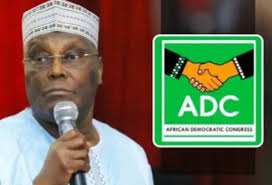
Former Vice President Atiku Abubakar has declared that Nigeria needs a leader focused on governance and national development rather than social media popularity, as political conversations ahead of the 2027 general elections continue to intensify.
Atiku made the remarks while addressing members and stakeholders within the African Democratic Congress (ADC), emphasizing that the country’s growing economic and security challenges require experienced leadership capable of delivering practical solutions.
The statement has quickly sparked political debate across Nigeria, with supporters and critics interpreting the comments as an indirect critique of modern political branding and online-driven popularity campaigns.
Atiku Emphasizes Governance Over Social Media Popularity
Speaking during political consultations, Atiku Abubakar stressed that effective leadership should be measured by competence, vision, and the ability to govern rather than digital influence or online trends.
According to the former vice president, Nigeria is facing complex economic and social challenges that require serious governance experience and strategic planning.
He argued that while social media remains an important communication tool in modern politics, it should not replace substance, policy direction, and administrative capacity.
Atiku maintained that Nigerians are increasingly interested in practical solutions to issues such as inflation, unemployment, insecurity, and economic hardship.
Political Temperature Rises Ahead of 2027 Elections
The comments come at a time when political activities and early alignments are beginning to shape conversations ahead of the 2027 presidential election.
Although major political parties have yet to officially begin campaign activities, prominent politicians and political groups are already engaging in strategic consultations and public positioning.
African Democratic Congress has emerged as one of the opposition platforms attracting increased attention amid discussions around coalition-building and alternative political movements.
Political observers say Atiku’s remarks reflect growing concerns among established politicians about the increasing role of social media influence in shaping public perception and electoral conversations.
Debate Over Social Media and Modern Politics
The rise of digital media has transformed political campaigns in Nigeria over the past decade.
Platforms such as X, Facebook, Instagram, TikTok, and YouTube now play a major role in shaping political narratives, mobilizing supporters, and influencing voter engagement.
Younger politicians and political movements have increasingly used online platforms to build visibility and connect directly with citizens.
However, critics argue that social media popularity does not always translate into effective governance or policy implementation.
Atiku’s statement appears to reinforce the argument that governance credentials and administrative experience should remain central factors in leadership selection.
ADC’s Growing Relevance in Opposition Politics
The African Democratic Congress has recently gained visibility amid ongoing discussions about opposition alliances and political restructuring ahead of future elections.
Although not among Nigeria’s dominant parties, the ADC has become part of broader conversations around coalition-building and political alternatives.
Analysts believe comments from influential figures like Atiku could further elevate the party’s profile within opposition politics.
Some observers also view the engagement between Atiku and ADC stakeholders as a sign of possible strategic political cooperation ahead of 2027.
Mixed Reactions Trail Atiku’s Remarks
Reactions to Atiku’s statement have been divided across political and social media spaces.
Supporters praised the former vice president for emphasizing governance experience and policy-driven leadership, arguing that Nigeria’s challenges require competent administration rather than popularity contests.
Others, however, defended the role of social media in modern democracy, saying digital engagement helps politicians remain accountable and connected to citizens.
Some younger political commentators also argued that online popularity and governance ability are not mutually exclusive.
Analysts Weigh Future Political Implications
Political analysts believe Atiku’s comments may form part of broader efforts to shape the narrative ahead of the 2027 election season.
By focusing on governance and competence, the former vice president appears to be positioning himself within ongoing national conversations about leadership quality and economic management.
Experts note that future elections in Nigeria are likely to combine traditional political structures with increasing digital influence, making both grassroots organization and online engagement important factors.
Nigeria’s Leadership Debate Continues
As the country moves gradually toward another election cycle, discussions around leadership style, governance capacity, youth engagement, and digital politics are expected to intensify.
For many Nigerians dealing with economic hardship and insecurity, the debate over whether leadership should prioritize visibility or performance remains highly relevant.
Atiku’s remarks have now added another voice to that national conversation, reinforcing calls for leadership centered on governance, accountability, and practical solutions rather than online popularity alone.


