

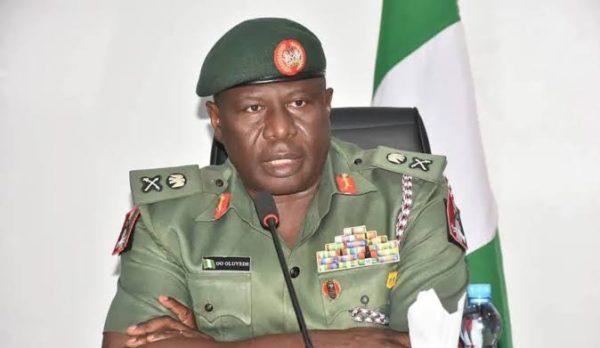
Fresh concerns have emerged over the welfare of Nigerian troops after it was revealed that the daily food allowance for soldiers remains at ₦3,000, despite rising inflation and the increasing cost of living.
The issue came to public attention during a television interview on The Morning Show of Arise TV, where journalist Rufai Oseni questioned retired Brigadier General Sani Kukasheka Usman about the adequacy of the current ration cash allowance.
Usman confirmed that the allowance stands at ₦3,000 per day, noting that it was increased from ₦1,500 the previous year. However, he acknowledged that inflation has significantly eroded its value, making it increasingly difficult for soldiers to meet their daily feeding needs.
He explained that troops on active operations often benefit from centralized feeding arrangements, which supplement the allowance. Nevertheless, the admission that the cash component has not kept pace with economic realities has sparked widespread public debate.
Nigeria has been grappling with persistent inflation, particularly in food prices, which continue to strain household incomes across the country. Analysts say the situation is even more critical for soldiers deployed in high-risk environments, where adequate nutrition is essential for performance and morale.
The revelation has triggered strong reactions online, with many Nigerians expressing frustration over what they perceive as neglect of frontline personnel. Critics have drawn comparisons between the modest allowance given to soldiers and the significantly higher benefits enjoyed by political office holders.
Some commentators also questioned broader claims about military welfare, including whether essential equipment such as boots and uniforms are consistently provided, as officially stated.
Security experts warn that inadequate welfare could have implications for operational effectiveness. “Morale is a key factor in any military,” one analyst noted. “If troops feel undervalued or poorly supported, it can affect performance in critical situations.”
Calls are now growing for the government and military authorities to review and adjust the allowance in line with current economic conditions. Stakeholders argue that improving welfare is not just a matter of fairness but also a strategic necessity in a country facing ongoing security challenges.
Nigeria’s armed forces have been engaged in multiple operations across the country, including counterinsurgency efforts and anti-banditry campaigns. As these operations continue, the welfare of personnel remains a central issue in discussions about national security.
For many observers, the controversy underscores a broader question about national priorities—whether those tasked with safeguarding the country are receiving the level of support required to effectively carry out their duties.


