

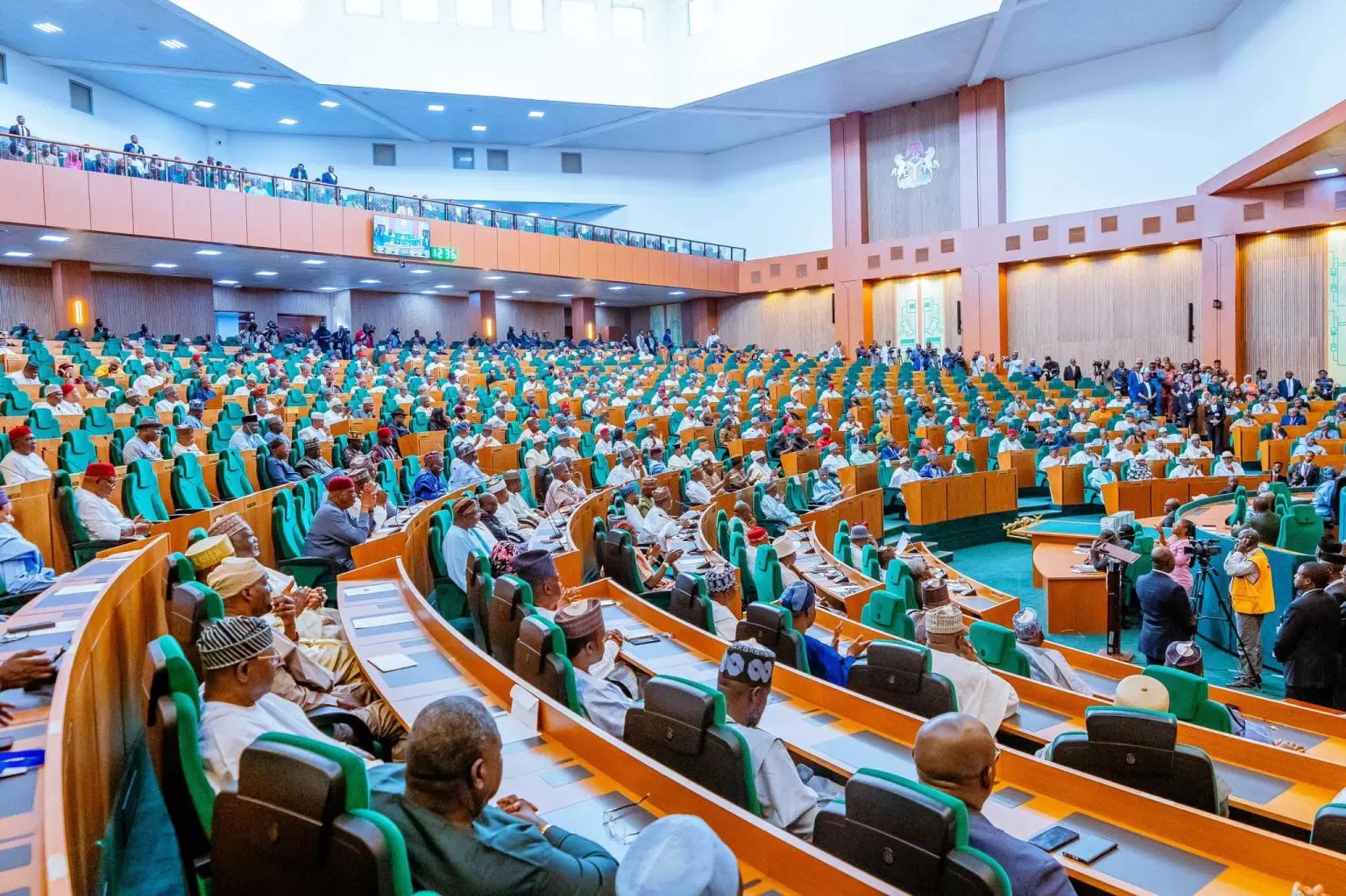
Nigeria’s House of Representatives Nigeria has approved President Bola Tinubu’s request for a $516 million syndicated loan to finance part of the ambitious Sokoto–Badagry Superhighway project, a key component of the administration’s infrastructure drive.
The loan, to be sourced from Deutsche Bank, will fund the first 120 kilometers of the 1,068-kilometer highway, which is designed to connect Illela in Sokoto State to Badagry in Lagos State. The project is expected to pass through multiple states, linking Nigeria’s northwest and southwest economic corridors.
Lawmakers endorsed the facility as part of broader efforts under the government’s development blueprint, often referred to as the “Renewed Hope Agenda.” Proponents argue that the highway will significantly reduce travel time, enhance regional trade, and improve the movement of goods and services across the country.
Details of the financing arrangement show that the loan has a tenure of nine years, including a three-year grace period before repayment begins. In addition, the Nigerian government is expected to provide over ₦265 billion in counterpart funding to support the project.
To ensure accountability, the approval comes with conditions requiring regular oversight. These include quarterly progress reports and audits to monitor the use of funds and the pace of construction.
Construction activities have already commenced on parts of the route, including a reported 258-kilometer stretch in Kebbi State, signaling early momentum for the project.
Supporters of the initiative describe it as a transformative infrastructure investment that could unlock economic opportunities, particularly for inland states that often face logistical challenges in accessing major markets.
However, the loan approval has also sparked debate among analysts and citizens concerned about Nigeria’s rising debt profile. With public debt figures approaching ₦159 trillion, critics argue that continued borrowing—despite its developmental intentions—could place additional strain on the country’s fiscal stability.
Economic experts note that while infrastructure financing through loans is common, the long-term benefits depend heavily on efficient execution, transparency, and the project’s ability to generate economic returns.
“The key issue is not just borrowing, but how effectively the funds are utilized,” one analyst observed. “If the project delivers on its promises, it could justify the cost. If not, it adds to the burden.”
The Sokoto–Badagry Superhighway is one of several large-scale infrastructure projects being pursued by the current administration, reflecting a strategy focused on connectivity and economic integration.
As work progresses, attention will remain on both the physical development of the highway and the financial implications of the loan, with stakeholders closely monitoring whether the project achieves its intended impact on Nigeria’s economy.


