

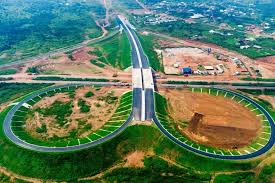
The Nigerian government has embarked on a new phase of ambitious infrastructure development, unveiling a $516 million highway project as the centerpiece of its strategy to enhance trade, foster regional integration, and stimulate economic growth. The project, announced by the Federal Ministry of Works, forms part of a broader nationwide push to modernize the country’s aging transport network and position Nigeria as a key commercial hub in West Africa.
The highway, which will span several states and connect major economic centers, is designed to address long-standing bottlenecks that have hampered trade and the efficient movement of goods and people. According to officials, the road will link strategic agricultural zones, industrial parks, and border areas, ultimately reducing travel times, cutting transportation costs, and driving investment in local communities. Construction is scheduled to begin later this year, with completion expected by 2028.
Minister of Works and Housing, Babatunde Fashola, said the new highway reflects the administration’s commitment to delivering world-class infrastructure. “This project is not just about building a road—it’s about unlocking Nigeria’s economic potential and ensuring that our farmers, traders, and manufacturers can access both domestic and international markets more easily,” Fashola explained at the project’s launch event in Abuja. “We are investing in the arteries that will carry the lifeblood of our economy.”
The $516 million project is being financed through a combination of federal allocations, international loans, and public-private partnerships. The government has secured funding from multilateral agencies, including the African Development Bank (AfDB), which praised the initiative as a catalyst for regional integration. According to the AfDB, improved road infrastructure will allow Nigeria to better participate in the African Continental Free Trade Area (AfCFTA), enabling more efficient cross-border trade and greater economic opportunities for millions.
Local business leaders and trade associations have welcomed the announcement, pointing to decades of underinvestment in transport infrastructure as a key barrier to competitiveness. “Our members face huge losses every year due to poor roads and logistical delays,” said Folake Adebayo, spokesperson for the Nigerian Association of Small and Medium Enterprises. “This highway could be a game-changer, especially for small businesses and exporters.”
However, analysts caution that Nigeria’s infrastructure ambitions will require careful oversight to ensure transparency, value for money, and timely delivery. Previous road projects have been marred by cost overruns, contractual disputes, and delays. The Ministry of Works has pledged to implement strict monitoring and evaluation mechanisms, including community engagement and third-party audits, to safeguard the project’s success.
Beyond the flagship highway, the government’s infrastructure blueprint calls for the rehabilitation of existing roads, expansion of rail networks, upgrades to seaports, and investment in digital infrastructure. These efforts are part of a broader vision to diversify the economy away from oil dependency, create jobs, and improve the living standards of Nigeria’s rapidly growing population.
As construction on the new highway gets underway, many Nigerians are hoping the project will deliver tangible benefits—reducing travel times, lowering transportation costs, and boosting prosperity across the country. With regional trade set to expand under the AfCFTA, the stakes have never been higher for Nigeria to modernize its infrastructure and capitalize on its position as Africa’s most populous nation.


