

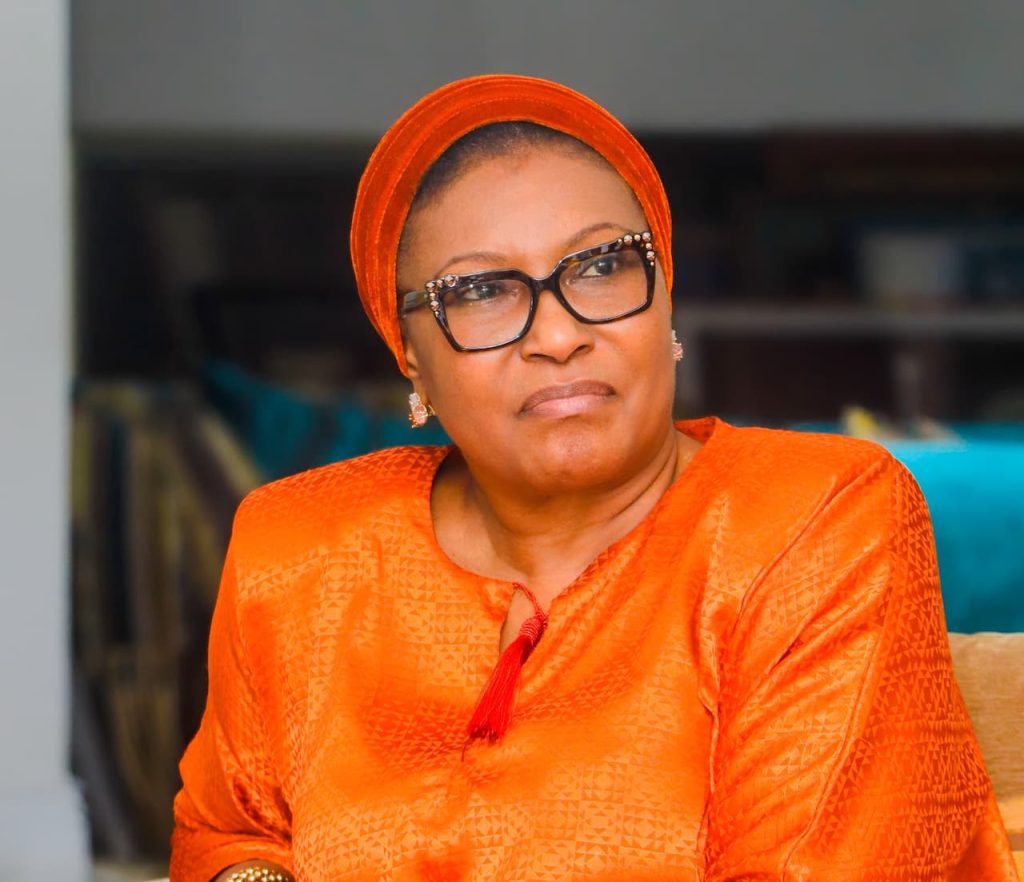
Senator Ireti Kingibe has warned that recent changes to Nigeria’s Electoral Act could expose the country’s voting process to manipulation ahead of the 2027 general elections.
Speaking during an interview on April 27, Kingibe alleged that lawmakers diluted key safeguards in the Electoral Act 2026, which was signed into law on February 19. According to her, one of the most concerning provisions now allows for the use of ballots without standard security features from the Independent National Electoral Commission (INEC), raising fears of potential electoral fraud.
She argued that the final version of the law deviates significantly from earlier drafts developed over two years by a joint Senate-House committee, in collaboration with INEC and civil society groups. Those drafts, she said, had incorporated stronger protections to enhance transparency and credibility in elections.
Kingibe’s concerns echo those previously raised by Mike Igini, who had also cautioned that certain sections of the amended law could be exploited if not properly addressed.
The senator warned that the removal or weakening of safeguards could undermine public confidence in the electoral process, particularly at a time when trust in democratic institutions remains fragile.
“This is not just about legal technicalities,” she suggested. “It is about the integrity of the system and the confidence Nigerians have in their votes.”
The controversy comes amid growing political tension as stakeholders begin to position themselves for the 2027 elections. Some opposition figures have gone further to call for the resignation of INEC Chairman Joash Amupitan, citing alleged bias and concerns over the commission’s neutrality. These calls have been fueled in part by disputes linked to the 2023 elections and ongoing debates about electoral reforms.
However, there has been no official response from INEC addressing the specific claims about ballot security provisions in the new law.
Political analysts warn that unresolved concerns about electoral integrity could have far-reaching implications. “If stakeholders lose confidence in the process, it can affect voter turnout and the legitimacy of the outcome,” one observer noted.
Civil society organizations are also expected to weigh in, with some already advocating for amendments or clarifications to ensure that the law aligns with international best practices.
With less than a year to the next general elections, pressure is mounting on lawmakers and electoral authorities to address the perceived gaps. Observers stress that timely reforms could help restore confidence and prevent disputes during and after the polls.
As the debate unfolds, Kingibe’s warning adds to a growing chorus of voices calling for vigilance, transparency, and accountability in Nigeria’s electoral system—key ingredients for a credible democratic process.


