

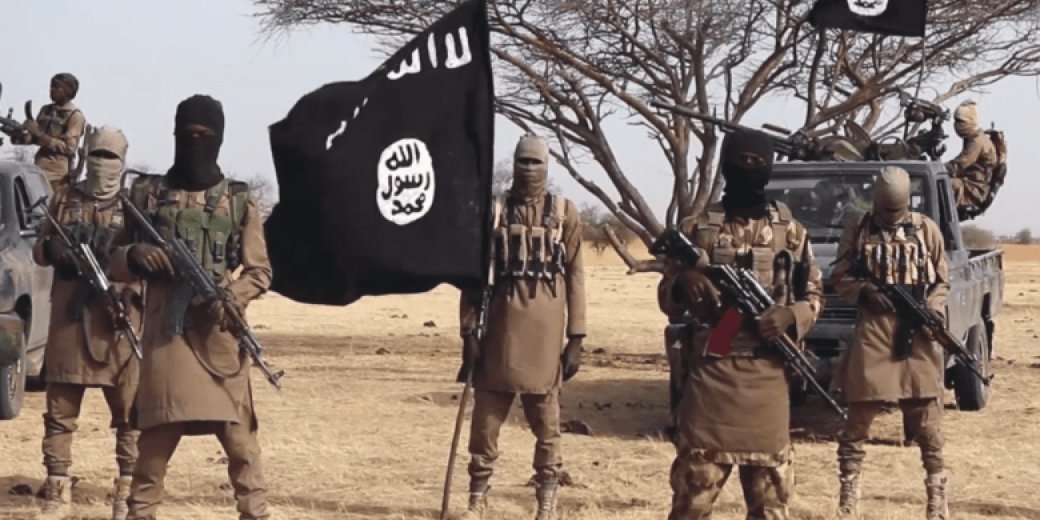
Fear and uncertainty are mounting in northeastern Nigeria after the extremist group Boko Haram issued a 72-hour ultimatum demanding a ₦5 billion ransom for the release of 416 abducted civilians.
The threat, delivered in a video released on April 20, relates to victims taken during a deadly March 4 attack on Ngoshe village in Gwoza Local Government Area of Borno State. According to local sources, the assault left dozens of residents dead and saw hundreds—predominantly women and children—forcefully taken by insurgents.
In the footage, a spokesperson for the group warned authorities against attempting any rescue operation, claiming that the captives have been dispersed across multiple undisclosed locations. The message suggested that any military intervention could endanger the lives of the hostages, heightening anxiety among families already grappling with the trauma of the abductions.
As the 72-hour deadline approaches, there has been no official public response from the Nigerian government regarding the ultimatum. Nigeria has long maintained a strict policy against the payment of ransom to terrorist groups, arguing that such concessions only embolden further attacks and fund insurgent activities.
Security analysts say the situation presents a complex dilemma. While the government’s stance aims to deter future kidnappings, the immediate safety of the captives remains a pressing concern. Military operations in the region are ongoing, with the Nigerian Armed Forces continuing efforts to dismantle insurgent networks across the northeast.
The latest development has reignited painful memories of previous mass abductions, most notably the 2014 kidnapping of schoolgirls in Chibok, which drew global attention and sparked widespread advocacy campaigns. Many Nigerians have taken to social media to express anguish and frustration, drawing parallels between the current crisis and past incidents that remain unresolved for some families.
Relatives of the Ngoshe victims have reportedly appealed for urgent government action, urging authorities to explore all possible options to secure the safe return of their loved ones. Some community leaders have also called for increased transparency and communication, stressing the need for reassurance in a time of deep uncertainty.
Humanitarian organizations warn that the prolonged captivity of women and children poses severe risks, including physical harm, psychological trauma, and exploitation. The dispersed nature of the hostages, as claimed by the insurgents, could further complicate any rescue effort.
The attack on Ngoshe underscores the persistent security challenges facing Nigeria’s northeast, despite years of military campaigns against insurgent groups. While significant progress has been made in reclaiming territory, analysts note that militants continue to exploit remote and difficult terrains to carry out attacks and kidnappings.
As the deadline draws closer, the fate of the 416 captives hangs in the balance. The coming days are likely to test the resolve of Nigerian authorities, the resilience of affected communities, and the nation’s broader strategy in confronting insurgency.
For now, families wait in anguish, hoping for a resolution that will bring their loved ones home safely—without further loss of life in a conflict that has already exacted a heavy toll.


