

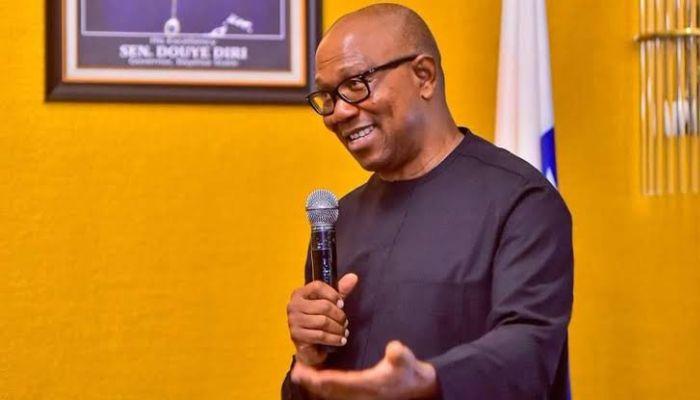
ABUJA — Former presidential candidate Peter Obi has reignited debate over the 2023 general election, insisting that he rightfully won the contest and pledging to secure an undisputed victory in 2027.
Obi, who ran under the Labour Party in 2023 and officially placed third with approximately 6.1 million votes, made the remarks during an engagement with Symfoni Good Governance. He alleged that widespread irregularities deprived him of victory, citing concerns over the failure of electronic transmission systems and inconsistencies in the electoral process.
“The mandate was clear,” Obi reportedly stated, maintaining that the outcome did not reflect the will of the electorate. His comments have once again placed the credibility of Nigeria’s electoral system under scrutiny, even as legal institutions have already ruled on the matter.
Following the 2023 election, Obi challenged the results declared by the Independent National Electoral Commission (INEC), which had announced Bola Ahmed Tinubu as the winner with about 37 percent of the vote. Obi’s petition raised issues including the non-functional electronic transmission of results and sought Tinubu’s disqualification on legal and procedural grounds.
However, both the Presidential Election Petition Tribunal and subsequently the Supreme Court of Nigeria dismissed the claims, affirming Tinubu’s victory and bringing the legal contest to a close.
Despite these rulings, Obi has continued to question the integrity of the process, positioning his narrative as part of a broader call for electoral reforms. Analysts say this approach resonates with sections of the electorate, particularly younger voters who were mobilized during his 2023 campaign.
Looking ahead, Obi expressed confidence in his prospects for the 2027 election, stating that any attempt to undermine the outcome would not succeed. “It cannot be stolen again,” he said, signaling a renewed determination to contest and win the presidency.
The statement comes amid ongoing shifts within Nigeria’s opposition landscape, including internal challenges within the Labour Party and growing discussions around coalition-building among opposition figures. Obi’s name has also been linked to the African Democratic Congress (ADC), which is increasingly seen as a potential platform for a broader opposition alliance.
Political observers note that Obi’s continued assertions about the 2023 election serve both as a rallying point for supporters and as a strategic positioning ahead of 2027. “He is maintaining his base while signaling readiness for another run,” a political analyst in Abuja explained.
However, critics argue that revisiting settled electoral disputes may deepen political divisions rather than foster consensus. They emphasize the need for forward-looking strategies that address governance challenges and build broader national appeal.
As Nigeria moves closer to another election cycle, Obi’s remarks underscore the enduring contest over legitimacy, reform, and political direction. Whether his renewed confidence translates into electoral success in 2027 will depend not only on voter sentiment but also on the evolving dynamics within the opposition and the broader political environment.


