

The Federal Government has dismissed claims that Nigeria supported a recent failed coup attempt in Niger Republic, insisting that the country does not support military takeovers or any unconstitutional change of government.
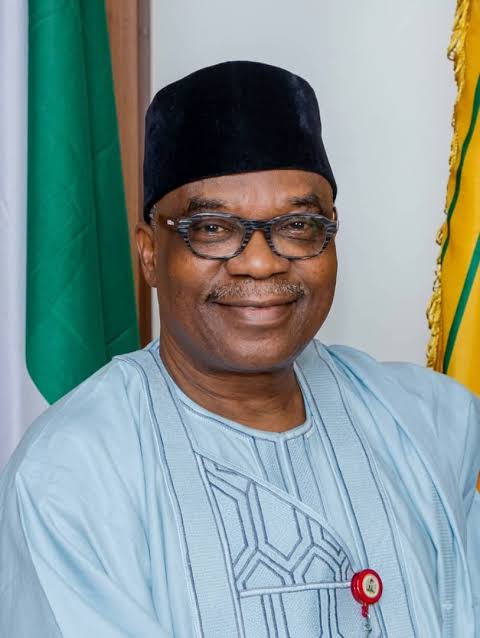
Minister of State for Foreign Affairs, Ambassador Sola Enikanolaiye, made the clarification in a statement issued on Thursday in response to reports and social media posts alleging that Nigeria and the Economic Community of West African States (ECOWAS) backed the attempted takeover.
The minister described the claims as “baseless, irresponsible” and a deliberate attempt to misinform the public and damage Nigeria’s international reputation.
“Nigeria will never support illegality or unconstitutional change of government anywhere, no matter who is involved or which country is concerned,” Enikanolaiye said.
He stressed that Nigeria remains committed to constitutional democracy, the rule of law and political stability across West Africa, the Sahel and the wider African continent.
The Federal Government also urged Nigerians at home and abroad to disregard videos and narratives circulating online that suggest Abuja endorsed the reported military action in Niger.
According to Enikanolaiye, Nigeria’s official position had already been outlined in a Ministry of Foreign Affairs statement issued on August 30, 2026. The government called for a peaceful, inclusive and participatory return to stability and constitutional order in Niger.
The clarification is significant because of Nigeria’s previous involvement in regional efforts to restore constitutional rule in Niger following the 2023 military coup that removed President Mohamed Bazoum.
Nigeria, as a major member of ECOWAS, has historically played an important role in regional diplomacy and efforts to discourage unconstitutional changes of government.
Enikanolaiye said Nigeria’s close historical, cultural and fraternal ties with Niger make peace and stability in the neighbouring country particularly important.
He reaffirmed that Nigeria would continue working with ECOWAS, the African Union and the international community to promote democracy, peace and stability in the region.
The latest controversy highlights the continuing political and security tensions surrounding Niger and the wider Sahel, where military governments have challenged the region’s traditional democratic order.


