

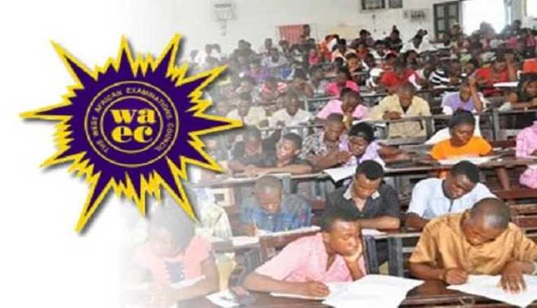
The controversy surrounding the 2026 West African Senior School Certificate Examination results has deepened after an official of the West African Examinations Council raised concerns over alleged irregularities and technical glitches affecting some candidates’ results.
The development comes weeks after WAEC released the 2026 results, which have triggered complaints from candidates, parents, schools and education stakeholders over unexpectedly low grades and discrepancies in some results.
The latest concerns have added another layer to the growing crisis of confidence surrounding the examination body, with questions now being raised about whether some of the affected results could have been compromised by technical or administrative problems.
Reports of candidates receiving grades significantly below their previous academic performances have spread across social media and generated calls for WAEC to conduct a comprehensive review.
Some schools have reportedly questioned how students who performed strongly in internal examinations and other national assessments could suddenly receive poor grades in the 2026 WASSCE.
Education stakeholders have consequently called for greater transparency from WAEC, particularly concerning the processes used to mark, moderate and process the results.
The controversy is particularly significant because WAEC certificates remain an important requirement for admission into universities, polytechnics and other tertiary institutions in Nigeria and across the West African region.
A faulty or inaccurate result could therefore have serious consequences for affected candidates, including delays in admission, loss of educational opportunities and additional financial burdens for families.
The latest allegations have also revived concerns over the increasing use of technology in examination administration.
The 2026 examination cycle represents an important stage in WAEC’s transition towards greater computer-based assessment and technological integration. While digital systems are expected to improve efficiency and reduce examination malpractice, technical failures can potentially affect large numbers of candidates if they are not properly identified and corrected.
WAEC has previously faced technical challenges involving examination results. In August 2025, the examination body temporarily withdrew some results following a technical issue associated with post-release processing and paper serialisation. The Federal Ministry of Education subsequently announced that the problem had been resolved and that updated results would be made available.
The recurrence of concerns about technical problems has therefore heightened calls for stronger quality-control mechanisms.
However, WAEC has maintained that its results are generated through established marking, moderation and auditing procedures. Earlier this month, the examination body defended the credibility of the 2026 results following criticism on social media and urged the public not to rely on unverified claims.
The council’s position is that examination results should not be questioned solely because individual candidates performed below expectations.
Nevertheless, the latest allegations by an official have intensified demands for an independent and transparent assessment of the complaints.
An education advocacy group had previously threatened legal action against WAEC and issued a 14-day ultimatum over concerns raised by candidates regarding the accuracy and reliability of their results.
The growing dispute places WAEC under pressure to explain precisely what happened and determine whether any technical glitches or irregularities affected candidates’ scores.
For students awaiting admission into tertiary institutions, time is particularly critical. Universities and other institutions often operate within admission timelines, meaning prolonged uncertainty over examination results could affect candidates’ ability to secure admission for the next academic session.
Parents and schools are consequently demanding quick clarification and, where necessary, correction of affected results.
The controversy also comes at a time when the Federal Government is pushing reforms aimed at improving the integrity of Nigeria’s examination system.
Both WAEC and the National Examinations Council are scheduled to begin a phased rollout of computer-based testing for objective components from November 2026, with the government arguing that digital examinations will help curb malpractice, question leakages and other forms of examination fraud.
For the reforms to succeed, however, public confidence will be essential.
If candidates and parents believe that technological systems can produce unreliable results, the transition could face significant resistance.
The immediate priority is therefore to establish the facts surrounding the 2026 results controversy.
WAEC will need to determine the scale of any alleged irregularities, identify whether technical glitches affected particular subjects or candidates and communicate its findings clearly to the public.
Where errors are established, affected candidates will expect their results to be corrected without additional financial or administrative burdens.
For now, the allegations remain subject to verification, and a poor examination result by itself does not prove that an error occurred.
But with complaints continuing to mount and an official now reportedly raising concerns over irregularities and glitches, pressure is growing on WAEC to provide convincing answers.
The credibility of thousands of students’ academic futures—and public confidence in one of West Africa’s most important examination institutions—could depend on how transparently and swiftly the council resolves the controversy.


