

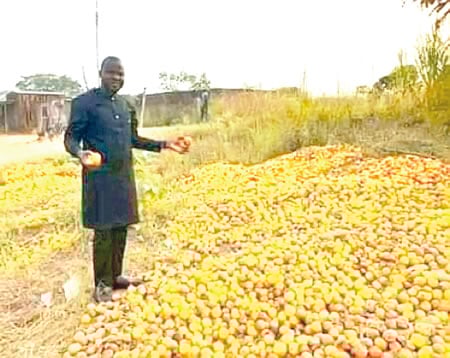
Benue State wears the title “Foo Basket of the Nation” with pride, yet too much of its harvest still leaves the state as raw produce—cheaply sold, poorly stored, or tragically wasted. Tomatoes rot, oranges flood markets only in season, mangoes perish by the roadside. The paradox is painful: abundance without prosperity. Establishing juice processing industries across Benue is not just an agricultural idea; it is an economic correction long overdue.
First, the health argument is compelling. Locally processed, preservative-controlled juices made from Benue’s oranges, pineapples, mangoes, watermelons, and ginger would directly support healthier diets. At a time when Nigeria is battling rising lifestyle diseases, fresh and affordable fruit juices—produced close to source—can reduce dependence on sugar-loaded imported drinks and promote nutrition, especially for children and working families.
But the real revolution lies in productivity. Juice processing converts seasonal farming into year-round economic activity. Farmers gain guaranteed off-take for their produce, stabilising prices and incomes. Instead of distress sales during harvest gluts, cooperatives can supply processing plants under contract farming arrangements. This predictability encourages farmers to expand acreage, invest in better seedlings, and adopt modern practices—lifting productivity across the value chain.
For Benue’s youth, juice factories mean jobs beyond the farm: machine operators, quality controllers, packaging designers, marketers, logistics managers, and technicians. Small and medium-scale processing hubs in Makurdi, Gboko, Otukpo, and Katsina-Ala can anchor local economies, slowing rural-urban migration and restoring dignity to agribusiness.
There is also the industrial multiplier effect. Processing plants demand bottles, cartons, labels, cold storage, transport, and energy solutions. Each juice factory becomes a nucleus for allied businesses. With the right incentives—land access, tax holidays, power support, and credit—Benue can attract private investors and agro-industrial partnerships that see agriculture not as subsistence, but as industry.
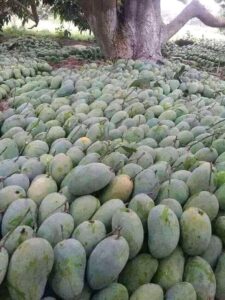
Critically, juice processing addresses post-harvest losses, one of Benue’s biggest silent enemies. Estimates often suggest that up to 40% of fruits are lost after harvest due to poor storage and weak markets. Turning excess fruits into juice concentrates, purées, and dried by-products converts waste into wealth and strengthens food security.
However, success will depend on governance choices. The state must move beyond rhetoric to deliberate agro-industrial policy—supporting farmer cooperatives, enforcing quality standards, linking processors to research institutes, and ensuring security in farming communities. Without safety, supply chains break; without trust, investors stay away.
In the end, juice processing is not just about beverages. It is about revamping productivity, restoring confidence in Benue’s agricultural promise, and proving that the “Food Basket” can also be a manufacturing hub. When Benue begins to drink from the value of what it grows, the state will not only be healthier—it will be wealthier, more productive, and more resilient. 🍊🥭🍍


