

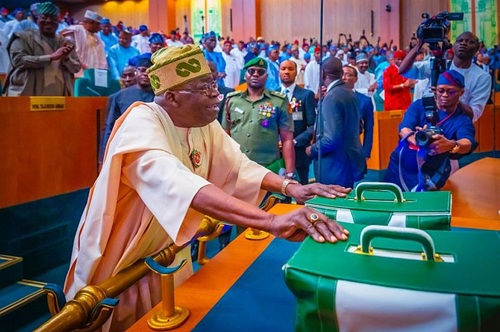
The inclusion of more than ₦8 billion for church and mosque-related projects in Nigeria’s proposed ₦68.32 trillion 2026 national budget has sparked widespread debate over fiscal priorities, transparency and the constitutional principle of religious neutrality.
An analysis by Tracka, a civic technology platform of the BudgIT Foundation that monitors public spending, identified ₦8.05 billion earmarked for religious projects across the budget. According to the report, ₦1.91 billion was allocated to seven church-related projects, while ₦6.14 billion was set aside for 52 mosque-related projects.
The organisation noted that many of the allocations were embedded within the budgets of federal agencies whose primary mandates are unrelated to religious activities, raising questions about budget transparency and expenditure classification.
Among the projects highlighted were a ₦1 billion allocation for musical equipment for churches under the Industrial Arbitration Panel and another ₦1 billion for the installation of solar power systems in mosques through the Energy Commission of Nigeria. Other religious projects were reportedly spread across agencies in sectors such as agriculture, energy and public administration.
The findings have generated mixed reactions from stakeholders, with critics questioning whether public funds should be used for religious infrastructure at a time of mounting economic challenges.
Former Vice President and opposition leader Atiku Abubakar criticised the allocations, describing them as an inappropriate use of public resources. He called for full disclosure of the projects and urged the Federal Government to explain the rationale behind the expenditures.
Atiku argued that the allocations come at a time when Nigeria is grappling with a projected ₦31.45 trillion budget deficit, persistent inflation and significant funding gaps in critical sectors such as healthcare, education and infrastructure. He maintained that limited public resources should be directed toward programmes that deliver broad-based socio-economic benefits.
The controversy has reignited discussions about Nigeria’s constitutional status as a secular state and the role of government in financing religious projects. Constitutional scholars note that while government may support faith-based organisations in delivering public services, such expenditures should be transparent, equitable and clearly justified within the public interest.
Public finance experts have also called for greater scrutiny of constituency and capital projects embedded in the national budget. They argue that all budget allocations should align with the statutory mandates of implementing agencies to promote accountability and improve public confidence in government spending.
Civil society organisations have urged the National Assembly and the executive to publish detailed justifications for the projects and ensure that the budgeting process adheres to principles of openness and fiscal responsibility.
Some religious leaders have defended government support for faith-based initiatives, noting that churches and mosques often contribute to education, healthcare and humanitarian services in local communities. Others, however, have cautioned that public funding for religious institutions should be handled carefully to avoid perceptions of favouritism or unequal treatment among different faith groups.
As deliberations on the 2026 Appropriation Bill continue, analysts expect lawmakers to face increasing calls to review the allocations and ensure that public spending reflects national development priorities.
The debate underscores broader concerns about budget transparency, accountability and the efficient use of public resources at a time when many Nigerians continue to face economic hardship. Observers say the outcome of the discussions could influence future approaches to budgeting and public expenditure in the country.


