

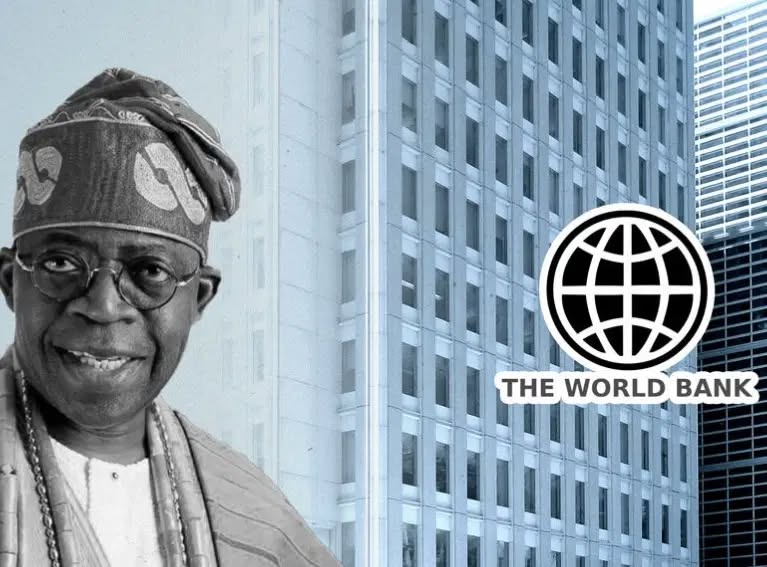
The Federal Government of Nigeria has cited a recent assessment by the World Bank to affirm that there is no evidence of leakage in the country’s federation revenue, a claim that is already stirring debate among economists, civil society groups, and opposition voices.
According to government officials, the World Bank’s findings validate ongoing reforms in public financial management, particularly in revenue collection, remittance, and distribution systems. The report, which reviewed fiscal processes tied to the Federation Account, reportedly found no systemic diversion or unaccounted losses in federally generated revenues.
Reacting to the development, officials within the administration of President Bola Ahmed Tinubu described the outcome as a “strong endorsement” of transparency measures implemented in recent years. They argued that digital tracking systems, stricter auditing procedures, and inter-agency coordination have significantly reduced opportunities for revenue mismanagement.
“This report confirms that the structures we have put in place are working,” a senior government official said. “For too long, there have been assumptions of leakages without verifiable data. Now, an independent global institution has provided clarity.”
The Federation Account, which pools revenues from oil sales, taxes, and other national sources, is a critical pillar of Nigeria’s fiscal framework. Allocations from the account are shared monthly among the federal, state, and local governments, making its integrity central to governance and development across the country.
Despite the government’s optimism, the report has been met with cautious skepticism in some quarters. Analysts note that while the absence of “leakage” in technical terms may suggest improved accounting systems, it does not necessarily address broader concerns about efficiency, revenue generation, or equitable distribution.
Critics also point out that Nigeria continues to grapple with fiscal challenges, including debt pressures, subsidy reforms, and fluctuating oil revenues. They argue that transparency in accounting must be matched by accountability in spending and tangible improvements in public service delivery.
Civil society organisations have called for the full publication of the World Bank report to allow independent scrutiny. “It is important that Nigerians see the details behind this conclusion,” one policy advocate stated. “Transparency is not just about systems—it is about public trust.”
Economic experts further stress that the conversation should not end at whether funds are leaking, but extend to whether revenues are sufficient and effectively utilised. “Plugging leakages is only one part of the puzzle,” said a Lagos-based economist. “The real question is how these resources translate into infrastructure, healthcare, and economic growth.”
The World Bank has yet to release a detailed public statement elaborating on the methodology and scope of the assessment referenced by the Federal Government.
As the debate unfolds, the report has injected a new dimension into Nigeria’s fiscal discourse—one that may redefine how accountability is measured in the management of public funds. Whether it strengthens confidence in government institutions or fuels further scrutiny will depend largely on the transparency that follows.


