

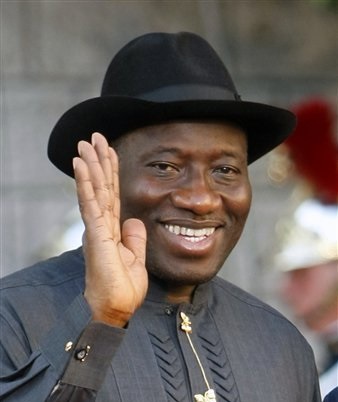
As political permutations ahead of the 2027 presidential election continue to gather momentum, many Nigerians are asking a pointed question: what exactly did former President forget in Aso Rock that is drawing him back into the presidential race?
The question comes amid reports that Jonathan is preparing to pick up the presidential Expression of Interest form of the (APM) ahead of the party’s screening exercise scheduled for Tuesday, May 19, 2026.
However, his renewed presidential ambition may face a major legal hurdle, as May 26 has reportedly been fixed for judgment in a court case challenging his eligibility to contest the 2027 election.
The suit, currently before the Federal High Court in , is centered on the constitutional interpretation of whether Jonathan, having previously taken the presidential oath of office twice, can legally seek another term in office.
Legal analysts point to the 2018 constitutional amendment which bars any person who has been sworn in twice as president from contesting for the office again. Opponents of Jonathan’s ambition argue that his assumption of office following the death of former President Umaru Musa Yar’Adua in 2010, and his subsequent election in 2011, amount to two separate oaths.
Supporters of the former president, however, insist that Jonathan only won one presidential election and remains constitutionally qualified to run.
Beyond the courtroom arguments, the development has also revived a broader continental debate: why do many African leaders find it difficult to recognize when it is time to step aside? Across the continent, critics have repeatedly questioned the culture of political recycling, where former leaders continue to seek a return to power instead of mentoring a new generation of leadership.
Political commentators argue that Africa’s democratic growth depends not only on credible elections but also on strengthening institutions and encouraging leadership transition. Others, however, maintain that every qualified citizen retains the constitutional right to seek elective office regardless of previous tenure, leaving the final decision to voters and the courts.
The unfolding legal and political drama is expected to shape the conversation ahead of the 2027 elections, especially as opposition parties intensify coalition talks and presidential realignments across the country.
For now, the battle for Aso Rock appears to be shifting from political rallies to the courtroom.
As political permutations ahead of the 2027 presidential election continue to gather momentum, many Nigerians are asking a pointed question: what exactly did former President forget in Aso Rock that is drawing him back into the presidential race?
The question comes amid reports that Jonathan is preparing to pick up the presidential Expression of Interest form of the (APM) ahead of the party’s screening exercise scheduled for Tuesday, May 19, 2026.
However, his renewed presidential ambition may face a major legal hurdle, as May 26 has reportedly been fixed for judgment in a court case challenging his eligibility to contest the 2027 election.
The suit, currently before the Federal High Court in , is centered on the constitutional interpretation of whether Jonathan, having previously taken the presidential oath of office twice, can legally seek another term in office.
Legal analysts point to the 2018 constitutional amendment which bars any person who has been sworn in twice as president from contesting for the office again. Opponents of Jonathan’s ambition argue that his assumption of office following the death of former President Umaru Musa Yar’Adua in 2010, and his subsequent election in 2011, amount to two separate oaths.
Supporters of the former president, however, insist that Jonathan only won one presidential election and remains constitutionally qualified to run.
Beyond the courtroom arguments, the development has also revived a broader continental debate: why do many African leaders find it difficult to recognize when it is time to step aside? Across the continent, critics have repeatedly questioned the culture of political recycling, where former leaders continue to seek a return to power instead of mentoring a new generation of leadership.
Political commentators argue that Africa’s democratic growth depends not only on credible elections but also on strengthening institutions and encouraging leadership transition. Others, however, maintain that every qualified citizen retains the constitutional right to seek elective office regardless of previous tenure, leaving the final decision to voters and the courts.
The unfolding legal and political drama is expected to shape the conversation ahead of the 2027 elections, especially as opposition parties intensify coalition talks and presidential realignments across the country.
For now, the battle for Aso Rock appears to be shifting from political rallies to the courtroom.


