

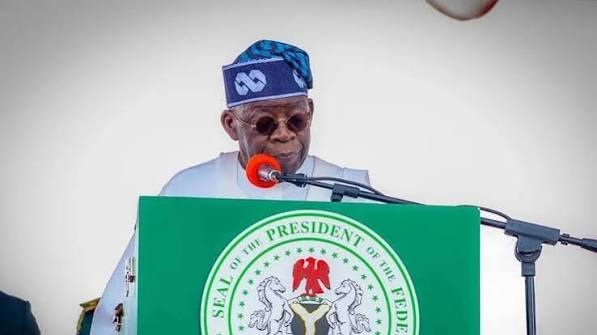
President Bola Tinubu has transmitted the Niger Delta Development Commission’s (NDDC) 2026 statutory budget proposal to the House of Representatives for consideration and passage.
The proposal was contained in a letter dated August 20, 2026, addressed to Speaker of the House, Tajudeen Abbas, and received by the National Assembly on September 24. Tinubu said the budget was prepared by the Minister of Niger Delta Development in line with Section 121 of the 1999 Constitution.
According to the President, the proposed NDDC budget was developed based on the commission’s projected revenue and expenditure and aligned with the Federal Government’s fiscal and developmental policies, including the Renewed Hope Agenda.
The proposal also takes into account the 2024–2026 Economic Recovery Growth Plan and key assumptions underlying the Federal Government’s 2026 Appropriation Act, the letter stated.
Tinubu identified youth empowerment, energy and power supply, education, industrial and enterprise development, healthcare, security and increased agricultural productivity as major areas of focus for the commission.
“The House of Representatives is invited to note that the NDDC is prioritising improvement in Youth Empowerment, Energy and Power Supply, Education, Industrial and Enterprise Development, Health, Security and increased productivity in Agriculture,” the President said.
He said the priorities were intended to improve living conditions and help lift a significant number of residents of the Niger Delta out of poverty.
The proposal is now expected to undergo legislative scrutiny, including examination by the relevant House committees, before lawmakers decide on its passage.
The development is significant because the NDDC plays a central role in implementing development projects across Nigeria’s nine Niger Delta states. Its mandate covers infrastructure, education, healthcare, agriculture, human-capital development and other interventions aimed at addressing challenges in the oil-producing region.
The NDDC recently emphasised stronger stakeholder participation, accountability and transparency in regional development, with its management saying improved governance and digitisation were being pursued to strengthen the commission’s operations.
The House’s consideration of the 2026 statutory budget will therefore be closely watched by stakeholders across the Niger Delta as lawmakers assess the commission’s proposed spending priorities and expected development outcomes.


