

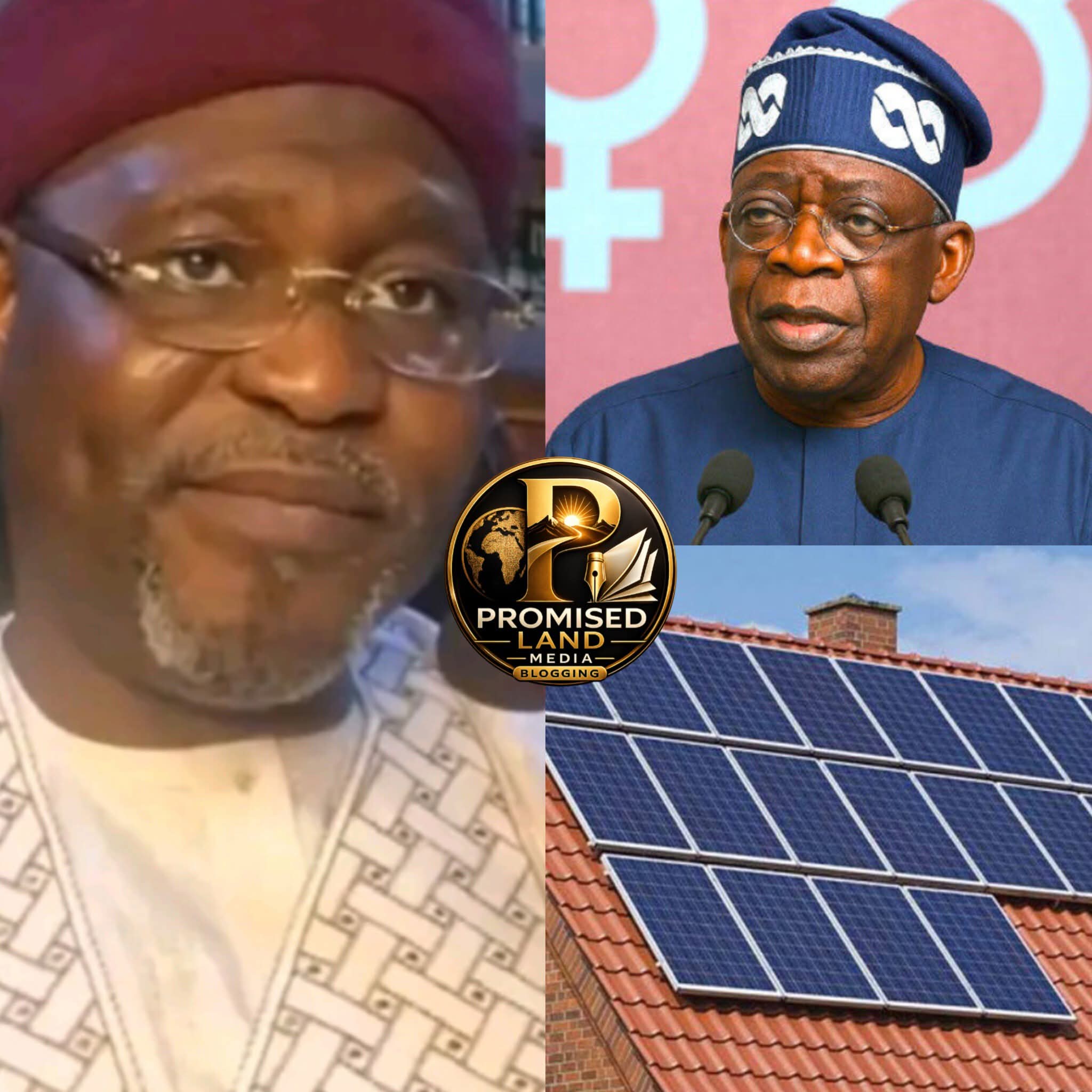
A Muslim cleric has sparked widespread reactions online after a viral video clip showed him strongly criticizing the administration of President Bola Ahmed Tinubu over alleged plans to impose taxes on solar energy users.
In the emotional statement, the cleric accused the government of failing to deliver on promises of stable electricity, particularly in Northern Nigeria, despite campaign assurances made before the 2023 elections.
“He came to the North and promised us light. We believed him and voted,” the cleric said.
“Today, there is still no light. The only reason people have power now is solar — not the government.”
He argued that many households and small businesses have turned to solar energy as a survival alternative due to the persistent collapse of public electricity supply and the rising cost of fuel for generators.
Reacting to reports of possible taxation on solar installations, he described the move as deeply unfair and insensitive to the economic realities facing ordinary Nigerians.
“Now they want to tax solar… tax sunlight that God made free? This is unfair,” he stated.
He warned that any attempt to force citizens to pay taxes on solar power usage could trigger strong resistance from the people.
“Let it be clear: forcing people to pay for solar will bring serious resistance. Anybody who is coming to ask me to pay tax for solar should be ready for war. The North is no longer sleeping,” he declared.
The video has continued to circulate across social media platforms, fueling fresh debates about taxation, energy access, and the growing frustration among Nigerians over economic hardship and rising living costs.
As of the time of filing this report, there has been no official confirmation from the Federal Government regarding any direct tax policy specifically targeting sunlight or basic solar energy usage, though discussions around import duties, levies, and regulatory charges on solar equipment have generated public concern.
The controversy adds to mounting criticism over electricity shortages, subsidy removal, and broader economic reforms under the Tinubu administration.


