

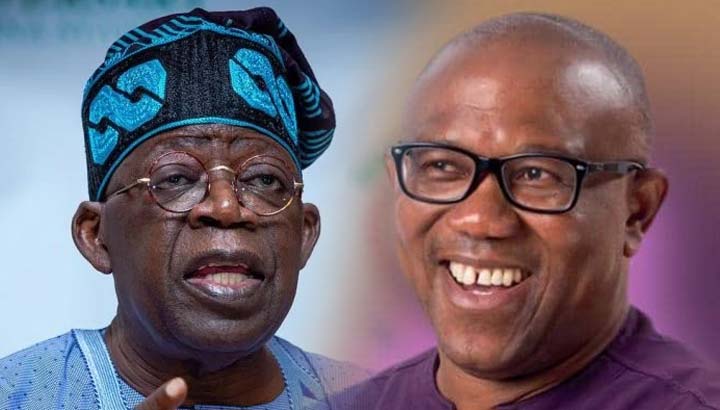
The Presidency has launched a strong defence of President Bola Tinubu’s administration, dismissing criticisms from former Labour Party presidential candidate Peter Obi and insisting that the former Anambra State governor lacks the political and governance record necessary to rival the President’s achievements.
The latest exchange marks another chapter in the ongoing political rivalry between supporters of President Tinubu and Obi, who emerged as one of the leading opposition figures following the 2023 presidential election.
Presidential officials argued that Obi’s criticisms of the Federal Government have become increasingly repetitive and fail to offer practical alternatives to the policies being implemented by the current administration. They maintained that President Tinubu’s leadership experience and reform agenda place him in a different category from his political opponents.
Presidency Defends Tinubu’s Leadership
According to officials speaking on behalf of the Presidency, President Tinubu inherited significant economic and structural challenges that required difficult but necessary reforms.
They pointed to major policy decisions, including the removal of fuel subsidies, foreign exchange market reforms, and efforts to increase government revenue, as evidence of the administration’s commitment to long-term economic stability.
The Presidency argued that while the reforms have resulted in short-term economic pressures, they are designed to create a more sustainable and competitive economy in the future.
Government representatives further insisted that the administration remains focused on addressing issues such as inflation, infrastructure development, security, and job creation despite criticism from opposition figures.
Obi Remains Vocal Critic of Government Policies
Peter Obi has consistently questioned the direction of the Tinubu administration, particularly regarding public debt, inflation, economic management, and the welfare of ordinary Nigerians.
The former presidential candidate has repeatedly called for greater transparency in government spending and has urged policymakers to prioritize investments in critical sectors such as education, healthcare, and productive industries.
His comments have resonated with many Nigerians who continue to express concerns over rising living costs and broader economic challenges.
However, the Presidency argued that Obi’s critiques often overlook the difficult realities confronting the country and fail to acknowledge the reforms being undertaken to address longstanding economic problems.
Political Rivalry Continues Beyond 2023 Election
Political analysts say the latest exchange reflects the continuing influence of the 2023 presidential election on Nigeria’s political landscape.
Although the election concluded more than two years ago, major political figures remain engaged in debates over governance, economic performance, and national development.
Obi continues to command significant support among young voters, professionals, and members of the Labour Party, while President Tinubu’s supporters point to his decades of political experience and governance record as evidence of his leadership capacity.
The competing narratives have fueled regular confrontations between both camps on issues ranging from economic reforms to democratic accountability.
Debate Over Economic Reforms Intensifies
At the center of many disagreements between the Presidency and opposition leaders is the question of economic reform.
Supporters of the government argue that difficult decisions such as subsidy removal and foreign exchange adjustments were necessary to address fiscal distortions and attract investment.
Critics, however, contend that the reforms have imposed severe hardships on citizens, leading to increased transportation costs, higher food prices, and reduced purchasing power.
The Presidency insists that the long-term benefits of the reforms will become increasingly visible as implementation progresses and investment confidence improves.
Officials have also highlighted improvements in revenue generation and efforts to strengthen public finances as indicators that the government’s strategy is beginning to yield results.
Public Reactions and Political Implications
The latest comments from the Presidency have generated mixed reactions among Nigerians and political observers.
Supporters of the administration view the response as a necessary defence against what they consider persistent attacks from opposition politicians. Meanwhile, Obi’s supporters argue that criticism of government policies is an essential component of democratic accountability.
Political observers note that public debates between the government and opposition figures are likely to intensify as preparations gradually begin for future electoral contests.
Looking Ahead
As Nigeria continues to navigate economic reforms and governance challenges, exchanges between the Presidency and opposition leaders are expected to remain a prominent feature of the political environment.
The latest remarks underscore the deep divisions that continue to shape national political discourse, particularly on issues relating to economic management and government performance.
For both President Tinubu and Peter Obi, the battle for public opinion remains active, with each side seeking to convince Nigerians that its vision offers the most effective path toward national development and economic prosperity.


