

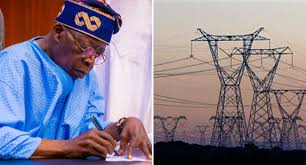
Nigeria’s electricity generation companies (GenCos) have expressed concern over the continued delay in the payment of approximately N3.3 trillion owed to operators in the power sector, despite previous approval by President Bola Tinubu’s administration to address the mounting debt burden.
The development has reignited concerns about the financial sustainability of Nigeria’s electricity industry, with power producers warning that prolonged non-payment could threaten electricity generation capacity and undermine efforts to improve power supply across the country.
According to representatives of the generation companies, the outstanding debt has continued to accumulate over several years due to market shortfalls, unpaid invoices, and liquidity challenges within the electricity value chain.
Industry stakeholders argue that although the Federal Government acknowledged the debt and approved measures aimed at resolving the issue, significant payments have yet to be made to ease the financial pressure facing operators.
GenCos Cite Growing Financial Strain
The generation companies maintain that the outstanding obligations have created severe operational challenges for power producers.
They noted that many operators continue to struggle with rising costs associated with gas supply, equipment maintenance, infrastructure upgrades, and financing obligations.
Industry leaders warn that without adequate settlement of outstanding debts, generation companies may face difficulties sustaining current production levels and investing in improvements needed to strengthen electricity supply nationwide.
According to sector representatives, the inability to recover costs through the existing electricity market framework remains one of the major obstacles confronting the industry.
They argue that resolving the debt issue is critical to ensuring stability across the power sector and attracting additional investment.
Debt Burden Remains Major Industry Challenge
Nigeria’s electricity sector has faced persistent liquidity challenges since the privatization of the industry more than a decade ago.
Despite reforms designed to improve efficiency and encourage private-sector participation, stakeholders continue to grapple with issues relating to cost recovery, tariff structures, transmission constraints, and market sustainability.
Experts say the debt owed to generation companies represents one of the most significant financial challenges facing the industry.
The outstanding liabilities are linked to energy supplied to the national grid but not fully paid for due to revenue gaps across the electricity market.
Analysts argue that unless the debt burden is addressed comprehensively, long-term efforts to modernize and expand power generation capacity may be affected.
Importance of Stable Electricity Supply
Reliable electricity remains one of the most critical requirements for economic growth and industrial development in Nigeria.
Businesses across multiple sectors continue to depend heavily on alternative power sources due to inconsistent electricity supply, resulting in increased operating costs and reduced competitiveness.
Economic experts believe that resolving financial challenges within the electricity sector could contribute significantly to improved power availability, increased productivity, and job creation.
They also note that investor confidence in the sector is closely linked to the ability of operators to recover costs and receive timely payments for services rendered.
Government’s Reform Agenda Under Scrutiny
The issue has placed renewed attention on the Federal Government’s broader power sector reform agenda.
President Tinubu’s administration has repeatedly emphasized its commitment to addressing structural challenges in the energy sector, including efforts to increase electricity generation, improve transmission infrastructure, and attract private investment.
Government officials have acknowledged the importance of maintaining financial stability across the electricity value chain and have indicated support for measures designed to resolve longstanding industry concerns.
However, stakeholders argue that implementation remains crucial and that delays in executing approved financial interventions could weaken confidence among investors and operators.
Calls for Immediate Action
Generation companies have called for urgent engagement between industry operators and relevant government agencies to establish a clear roadmap for debt settlement.
They argue that prompt action is necessary to prevent further deterioration in the sector’s financial condition and ensure uninterrupted power generation.
Industry experts have also urged policymakers to pursue broader reforms aimed at strengthening market efficiency, enhancing revenue collection, and reducing operational bottlenecks.
According to analysts, sustainable solutions will require cooperation among government institutions, regulators, electricity distribution companies, and power producers.
Implications for Consumers and the Economy
The continued debt dispute has implications beyond industry stakeholders, as consumers ultimately bear the consequences of inefficiencies within the power sector.
Experts warn that unresolved financial challenges could affect service delivery, infrastructure investment, and long-term electricity availability.
As discussions continue over the outstanding N3.3 trillion obligation, attention remains focused on how quickly the government can implement approved measures and restore confidence within the sector.
The outcome is expected to play a significant role in determining the future stability of Nigeria’s electricity industry and its capacity to support economic growth, industrial expansion, and national development goals.


