

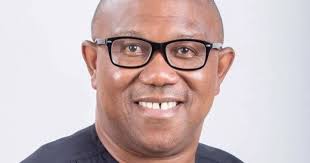
As discussions about leadership, governance, and economic management continue to shape Nigeria’s political landscape ahead of the 2027 elections, renewed attention has turned to Peter Obi’s tenure in the banking sector, particularly his role in the transformation of Fidelity Bank three decades ago.
Obi, a former governor of Anambra State and presidential candidate in the 2023 general election, is being celebrated by supporters for his contributions to the growth of Fidelity Bank, where he served as chairman during a pivotal period in the institution’s history.
Born in Onitsha, Anambra State, in 1961, Obi studied Philosophy at the University of Nigeria, Nsukka, graduating in 1984. Before entering politics, he built a reputation in the private sector through trading, investment, and entrepreneurship, gaining experience that would later define his public image as a businessman and financial strategist.
His journey with Fidelity Bank began during a period when the institution was transitioning from a merchant banking model to a full commercial banking operation. At the time, Nigeria’s banking industry was undergoing significant changes, requiring financial institutions to strengthen their capital base and improve operational efficiency to remain competitive.
Obi emerged as one of the institution’s major investors and eventually became chairman at a relatively young age. During his tenure, he played a key role in efforts to reposition the bank for long-term growth and sustainability.
Supporters point to the bank’s recapitalization achievements as one of the defining highlights of his leadership. Under the board’s guidance, Fidelity reportedly increased its capital base from approximately ₦3.5 billion to ₦22 billion within a short period, helping the institution meet regulatory requirements and compete more effectively in the evolving banking landscape.
The recapitalization exercise coincided with broader reforms within Nigeria’s financial sector aimed at strengthening banks and improving public confidence in the industry. Fidelity’s successful capital expansion was viewed as a major milestone that enabled the bank to pursue further growth opportunities.
Industry observers note that the bank also made significant progress toward becoming a publicly listed company during Obi’s leadership. Listing on the Nigerian Stock Exchange increased the institution’s visibility, expanded investor participation, and enhanced its ability to attract capital for future expansion.
Over the years, Fidelity Bank has grown into one of Nigeria’s notable financial institutions, serving millions of customers through a broad range of banking products and services. Many supporters attribute part of that growth trajectory to strategic decisions made during its formative years under Obi’s chairmanship.
The renewed focus on his banking record comes as political supporters continue to highlight his private-sector achievements as evidence of his management capabilities. They argue that his experience in business and finance distinguishes him from many career politicians and demonstrates an understanding of economic development, fiscal discipline, and institutional growth.
Some supporters have also circulated claims that Obi was among the youngest bank chairmen in Nigeria at the time of his appointment. While such assertions remain difficult to independently verify, they have contributed to his image as a relatively young business leader who rose through the ranks of the private sector.
Critics, however, have questioned the extent to which private-sector achievements automatically translate into political leadership success. Others have pointed out that Obi’s academic background was not in banking or finance, although supporters counter that practical business experience and investment expertise often play a significant role in corporate leadership.
Political analysts believe the continued interest in Obi’s banking career reflects a broader debate among Nigerians about leadership credentials and economic competence. As discussions about the 2027 elections gain momentum, candidates’ professional records are increasingly becoming part of public conversations about governance and national development.
For many observers, Obi’s tenure at Fidelity Bank remains one of the most frequently cited examples of his management experience outside politics. Whether viewed as a testament to financial leadership or simply one chapter in a broader career, the period continues to shape perceptions of the former governor’s capabilities.
As supporters commemorate the milestone associated with his leadership role at Fidelity Bank, the legacy of that era remains a key component of Peter Obi’s public profile and political narrative.


