

June 13, 2026
The presidential candidate of the National Democratic Congress (NDC), , has declared that he would release detained Indigenous People of Biafra (IPOB) leader, , if elected President of Nigeria in 2027.
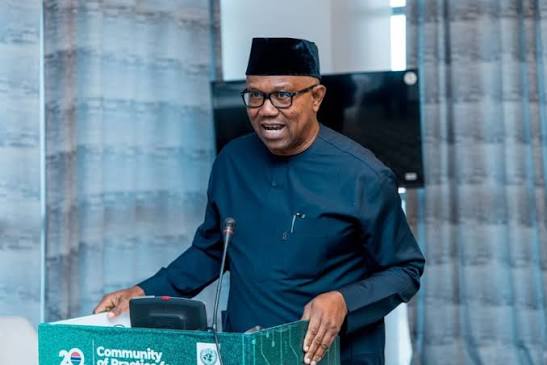
Speaking during an interactive session with Nigerians in Washington, D.C., Obi maintained that Kanu’s continued detention is unjustified, arguing that expressing opinions or criticizing political leaders should not be treated as a criminal offence.
“There is no reason for keeping Nnamdi Kanu. I will free Nnamdi Kanu as President. He has done nothing wrong; the government has no reason to arrest him because he was speaking and calling people names on radio,” Obi stated.
The former Anambra State governor emphasized that public officials must be willing to tolerate criticism, regardless of how harsh or uncomfortable such comments may be.
“Anybody can tell you anything. I’m a politician and people call me all sorts of names and I don’t think calling me names is an offence,” he added.
Obi’s remarks are likely to reignite national conversations surrounding Kanu’s detention, the rule of law, freedom of expression, and the Federal Government’s handling of separatist agitations in various parts of the country.
Beyond Kanu’s case, Obi outlined what he described as a dialogue-driven approach to resolving agitations and political grievances across Nigeria. According to him, meaningful engagement remains the most effective path toward understanding and addressing the concerns of groups that feel marginalized or dissatisfied with the current state of affairs.
“If I am in government today, I will discuss with all agitators because I believe that they have a reason for whatever they want to do and it’s only by engaging them that we would learn,” he said.
The NDC candidate argued that dialogue, rather than force alone, offers a sustainable framework for promoting national unity, reducing tensions, and building trust between the government and aggrieved groups.
Obi has consistently advocated for political solutions to national challenges, maintaining that listening to citizens and addressing the root causes of discontent are essential components of effective governance.
His latest comments are expected to generate varied reactions across the political spectrum, with supporters viewing the proposal as a demonstration of commitment to justice, reconciliation, and national healing, while critics may question its implications for national security and the government’s response to separatist movements.
As preparations for the 2027 presidential election gather momentum, Obi’s position on Kanu’s detention and his broader commitment to dialogue are likely to remain significant topics in Nigeria’s evolving political discourse.
It is also important to distinguish between political agitators and terrorists. While agitators may pursue political, constitutional, or self-determination demands through advocacy, protests, or public campaigns, terrorists are individuals or groups that deliberately target innocent civilians, including women and children, through acts of violence, intimidation, and mass killings. Obi’s call for dialogue appears to be directed at groups with political grievances and demands, not armed terrorists responsible for unprovoked attacks and the slaughter of innocent Nigerians. This distinction remains central to ongoing debates about national security, civil liberties, and conflict resolution in Nigeria.


