

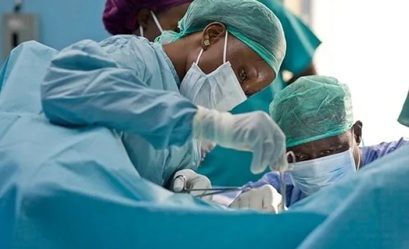
More than 20,000 Nigerian health workers have reportedly migrated to high-income countries in recent years, underscoring the continuing challenge of workforce shortages within Nigeria’s healthcare system.
The migration, commonly described as the “brain drain” in the health sector, has seen thousands of doctors, nurses, pharmacists and other medical professionals relocate to countries offering higher salaries, better working conditions, improved career opportunities and more advanced healthcare infrastructure.
Health experts warn that the continued loss of skilled personnel is placing additional pressure on Nigeria’s already stretched healthcare system, leading to increased workloads for remaining workers, longer waiting times for patients and reduced access to quality medical services in some communities.
Many destination countries, including the United Kingdom, the United States, Canada, Australia and several Gulf nations, have actively recruited foreign-trained healthcare professionals to address shortages in their own health systems.
The migration trend has sparked renewed debate over how Nigeria can retain its skilled workforce while continuing to train new health professionals to meet growing healthcare demands.
Medical associations and public health experts have repeatedly called for improved remuneration, better welfare packages, enhanced workplace safety, expanded training opportunities and increased investment in healthcare infrastructure to discourage the departure of qualified personnel.
They argue that while healthcare workers have the right to seek better opportunities abroad, governments must create an environment that makes professional practice at home more attractive and sustainable.
Nigeria continues to face significant shortages of healthcare workers relative to its large and growing population, with many rural communities experiencing particularly limited access to doctors and specialized medical services.
Policy experts emphasize that addressing the challenge will require comprehensive reforms, including increased healthcare funding, improved hospital facilities, transparent recruitment processes, stronger professional development programs and policies that recognize and reward medical professionals.
Some analysts also advocate for bilateral agreements between Nigeria and countries recruiting its healthcare workers to support training, knowledge exchange and investments that strengthen Nigeria’s health sector.
Despite the ongoing migration, Nigerian healthcare professionals continue to earn international recognition for their skills and contributions, with many occupying leadership positions in hospitals, research institutions and universities around the world.
Observers note that the continued outflow of health workers presents both challenges and opportunities, highlighting the global demand for Nigerian professionals while underscoring the urgent need for domestic reforms to retain critical talent.
As policymakers seek solutions, stakeholders agree that strengthening Nigeria’s healthcare system will require sustained investment in personnel, infrastructure, education and working conditions to ensure quality healthcare remains accessible to citizens nationwide.


