

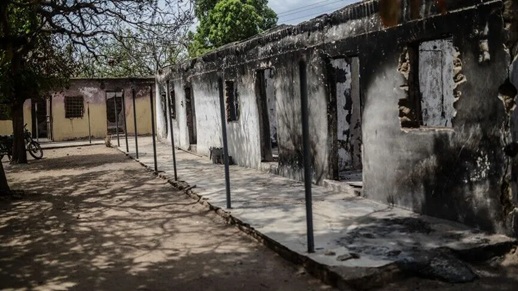
Communities in Borgu Local Government Area of Niger State have published the names of 547 people they say were abducted during attacks on worshippers and surrounding settlements in the Dekara District, challenging the lower figures previously given by government officials.
The list, signed by Zubairu Umar, youth president of Dekara District, contains the names of residents from five communities affected by the August 21 attacks. According to the document, the whereabouts of those listed remain unknown.
The disclosure has reopened the controversy over the actual number of people abducted during the coordinated attacks, which occurred while Muslims were observing Friday prayers.
The community list puts the number of alleged abductees at 547, comprising 341 people from Gbenji, 104 from Giagbasso, 88 from Dekara, nine from Kpenya and five from Gbebara.
The identities reportedly include women, children, religious leaders and community officials. Among those listed from Dekara are the community’s chief imam, Adamu Attahiru, as well as local leaders including Abubakar Lafiya, the village head of Ka’ada, and Mamuda Lafiya, the Magaji of Dekara.
The figures differ substantially from earlier accounts provided by government authorities.
Niger State Governor Mohammed Umaru Bago was reported to have said that 33 worshippers were abducted from a mosque, while another 30 people were taken from a nearby market, putting the reported total at 63.
The governor reportedly dismissed claims that more than 500 people had been abducted as “social media hype” and urged residents not to be misled by unverified information.
Earlier, however, the chairman of Borgu Local Government Area, Mohammed Abdullahi, said slightly more than 60 people had been abducted and that about 30 others were killed during or after the attacks. He also said several residents fled to safer locations following threats by the attackers.
The state government had previously acknowledged that it was unable to establish the exact number of victims. On August 28, the Commissioner for Information, Obed Nuhu, said authorities were still gathering information and warned against relying on unverified figures. He said the government had not received communication from the abductors at that point.
The latest community list has added another dimension to the dispute because it provides individual names rather than relying solely on an estimated total.
Reuters reported earlier this week that residents had staged a protest in New Bussa over the continued captivity of hundreds of people. Community representatives estimated that close to 700 people could still be held by the abductors, although Reuters said it could not independently verify that figure. One community representative called for a formal headcount in the affected villages to establish the actual number of missing persons.
The attacks took place in an area close to Nigeria’s border with Benin Republic, where communities have faced growing security challenges involving armed groups and criminal gangs.
Earlier reports said gunmen simultaneously attacked several communities during Juma’at prayers, taking worshippers into nearby forests. Residents subsequently reported that some communities were threatened with further attacks, prompting people to flee their homes.
President Bola Tinubu subsequently directed the military, police, Department of State Services and other security agencies to launch a coordinated operation to rescue the abducted residents. The President also directed the service chiefs to provide regular updates on the rescue effort.
The latest publication of the 547 names is likely to increase pressure on authorities to establish a verified record of those missing.
For affected families, the central issue is no longer only the disagreement over figures but determining the identities, whereabouts and condition of relatives who have not returned home.
While the community document provides a detailed list, the figure of 547 remains a community claim pending independent verification. Likewise, the lower government figures have not resolved the discrepancy.
A comprehensive headcount involving community leaders, security agencies and local authorities could help reconcile the competing figures and establish an authoritative record of those abducted.
Until such verification is completed, the scale of the August 21 abductions remains contested, while residents continue to demand the safe return of those still believed to be in captivity.


