

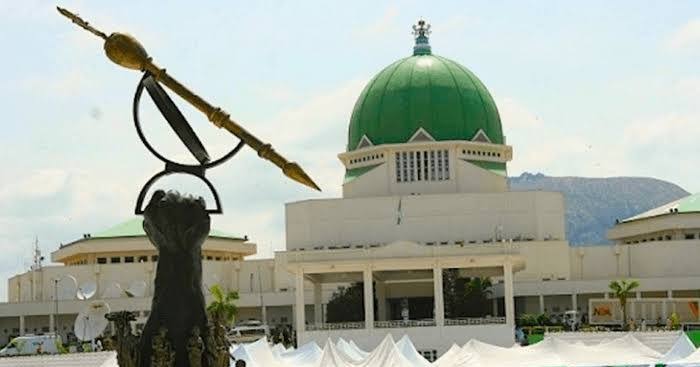
The National Assembly has approved an additional $6 billion loan request for President Bola Tinubu’s administration, raising fresh concerns about Nigeria’s growing debt burden. Critics warn that the new borrowing could further strain the country’s finances and increase repayment obligations for future generations.
The approval comes as many Nigerians continue to face rising inflation, insecurity, unemployment, and a worsening cost-of-living crisis. For many citizens, the decision reflects the government’s continued dependence on borrowing rather than on sustainable economic reforms and prudent public spending.
Opposition figures and civil society groups have cautioned that repeated loans, without clear accountability or visible improvements in public welfare, could deepen the nation’s fiscal vulnerability. They are calling on the administration to provide a transparent breakdown of how the funds will be used and how the debt will be serviced.
As public frustration mounts, there are growing demands for the government to prioritize security, food affordability, job creation, and fiscal discipline, while ensuring that any new borrowing delivers measurable benefits to Nigerians.


