

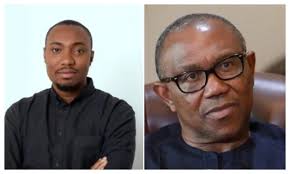
Former Director of Mobilization for Nigeria’s Obidient Movement, Morris Monye, has publicly apologized for a controversial resignation letter that sparked division and heated reactions within the political community loyal to Labour Party leader Peter Obi.
Monye issued the apology on May 21, months after a now-deleted resignation letter from November 2025 resurfaced online and reignited debates about internal tensions within the Obidient Movement ahead of the 2027 general elections.
The former mobilization director admitted that portions of the letter unfairly reflected negatively on Peter Obi and acknowledged that his comments caused disappointment among supporters of the movement.
His apology has since generated mixed reactions across social media and political circles, with some supporters praising his willingness to take responsibility while others questioned whether the statement could repair the damage already caused within the movement.
Controversial Resignation Letter Resurfaces
The controversy began after Monye’s resignation letter, originally written in November 2025, began circulating widely online again in recent days.
In the letter, Monye claimed he personally spent about N40 million to support activities linked to the Obidient Movement without receiving financial support from Peter Obi or other top figures within the political structure.
He also criticized some of the movement’s activities, describing them as “optics and no work,” a statement that immediately triggered backlash from many loyal supporters of Obi.
Although the letter was later deleted, screenshots and reposts continued to spread across social media platforms, reopening old disagreements among members of the movement.
The comments became especially controversial because Monye had previously been viewed as one of the movement’s most vocal and influential mobilizers during Nigeria’s 2023 presidential election season.
Monye Takes Responsibility
In his latest statement, Morris Monye admitted that the tone and wording of the resignation letter were inappropriate and accepted full responsibility for the reactions that followed.
He specifically acknowledged that his comments indirectly dragged Peter Obi into unnecessary controversy, despite Obi not being personally responsible for his frustrations at the time.
“I take full responsibility for subtly dragging Peter Obi into my grievances,” Monye stated in his apology.
He explained that emotions and disappointment influenced his earlier remarks but insisted that he never intended to undermine Obi’s political vision or weaken the movement.
Monye further said he regretted allowing internal frustrations to become public in a way that created confusion and division among supporters.
The former mobilization director emphasized that leadership requires accountability and maturity, adding that he intends to rebuild trust through actions rather than words alone.
“I understand that trust, once damaged, cannot be restored by statements alone. It must be rebuilt through consistent actions,” he reportedly said.
Reaffirms Support for Peter Obi
Despite the controversy, Monye reaffirmed his support for Peter Obi and described the former Anambra State governor as the leading political figure capable of driving meaningful change in Nigeria ahead of the 2027 elections.
He also declared Obi the frontrunner of the National Democratic Coalition (NDC), signaling continued loyalty to the broader political movement surrounding the Labour Party leader.
The statement appeared aimed at calming tensions among Obidient supporters who interpreted the original resignation letter as a sign of internal collapse or political betrayal.
Monye insisted that disagreements within political movements should not overshadow the larger mission of pursuing accountability, governance reform, and national development.
According to him, political activism should remain focused on long-term national interests rather than personal misunderstandings or internal conflicts.
Obidient Community Divided Over Apology
Reactions to Monye’s apology have remained deeply divided within the Obidient community.
Some supporters praised him for showing humility and accountability, arguing that acknowledging mistakes publicly demonstrates maturity and political growth.
Several social media users commended him for apologizing directly instead of ignoring the controversy or shifting blame to others.
“This is what accountability looks like,” one supporter wrote online. “He made a mistake and owned up to it publicly.”
Others, however, expressed skepticism about the apology and questioned whether it was enough to repair the lingering distrust created by the original letter.
Critics argued that the earlier comments damaged public perception of the movement and fueled narratives about disunity among Obi’s supporters.
Some also suggested that the apology may have come too late, especially after months of online debates and political speculation surrounding the issue.
Concerns Over Obi’s Political Alliances
The controversy has emerged at a sensitive period for the Obidient Movement as conversations intensify around possible political alliances ahead of the 2027 elections.
Peter Obi’s recent political engagements and rumored coalition discussions have already generated mixed reactions among some supporters who fear the movement could lose its original identity.
Analysts believe Monye’s earlier resignation comments gained renewed attention partly because of ongoing uncertainty surrounding the future direction of the Obidient Movement.
Political observers say internal disagreements are common within growing political coalitions, especially movements driven heavily by grassroots enthusiasm and social media activism.
However, they warn that unresolved disputes and public criticism from influential insiders can weaken public confidence if not properly managed.
Obidient Movement Faces New Challenges
The Obidient Movement emerged as one of Nigeria’s most influential political movements during the 2023 presidential election cycle, mobilizing millions of young voters and reshaping political conversations across the country.
Driven largely by social media campaigns and volunteer mobilization, the movement became known for its strong support base, especially among urban youths and first-time voters.
Since the elections, however, the movement has faced increasing challenges related to organization, political direction, and sustaining momentum beyond campaign periods.
Some analysts argue that maintaining unity within such a broad coalition remains one of the movement’s biggest tests ahead of future elections.
The resurfacing of Monye’s resignation letter and the reactions surrounding his apology have once again highlighted those internal pressures.
Focus Turns Toward 2027 Elections
As political discussions gradually shift toward the 2027 elections, many supporters are calling for unity and stronger internal coordination within the Obidient Movement.
Political commentators say controversies like this could either weaken the movement or provide an opportunity for reflection and restructuring before future campaigns begin fully.
For now, Morris Monye’s apology appears to have reopened broader conversations about loyalty, accountability, and leadership within one of Nigeria’s most influential modern political movements.
Whether the apology successfully heals divisions among supporters remains uncertain, but it has undoubtedly reignited national attention on the future of Peter Obi’s political base and its preparations for the next electoral cycle.


