

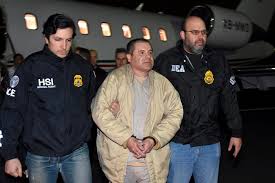
Mexican authorities have confirmed the arrest of a nephew of notorious drug kingpin Joaquín “El Chapo” Guzmán, who was wanted by the United States over alleged involvement in drug trafficking activities linked to the Sinaloa Cartel.
The arrest is being described as a major development in ongoing efforts by Mexico and the United States to dismantle organized crime networks connected to one of the most powerful drug cartels in the world.
Arrest Linked to Sinaloa Cartel Operations
According to security officials, the suspect is believed to be part of the extended Guzmán family network that has long been associated with the Sinaloa Cartel. The cartel, founded and led for years by “El Chapo,” has been responsible for large-scale drug trafficking operations across North America and beyond.
Authorities said the suspect was apprehended during a targeted security operation carried out by Mexican law enforcement in coordination with intelligence agencies. The individual had reportedly been under surveillance for some time due to suspected links to drug distribution routes and cartel logistics.
Officials confirmed that the arrest was executed without major resistance and that the suspect has been taken into custody for further investigation.
U.S. Authorities Had Issued Warrant
The United States had reportedly issued a warrant for the suspect, accusing him of involvement in narcotics trafficking and conspiracy-related offenses tied to the Sinaloa Cartel’s operations.
U.S. law enforcement agencies have long collaborated with Mexican authorities in tracking cartel members and affiliates, particularly those connected to the Guzmán family network, which has remained under intense scrutiny even after the extradition and conviction of Joaquín “El Chapo” Guzmán.
The latest arrest is expected to strengthen cross-border cooperation between both countries in their fight against drug trafficking organizations.
Continued Crackdown on Cartel Networks
Mexican security forces have intensified operations against drug cartels in recent years, targeting leadership structures, financial networks, and key operatives involved in trafficking routes.
The Sinaloa Cartel, despite internal divisions and arrests of key figures, remains one of the most influential criminal organizations in Latin America. Authorities believe that dismantling family-linked networks is crucial to weakening the cartel’s operational capacity.
Security analysts say arrests like this one are part of a broader strategy to disrupt generational involvement in organized crime, particularly within powerful cartel families.
Background on “El Chapo” Guzmán
Joaquín “El Chapo” Guzmán, once considered one of the world’s most powerful drug lords, co-founded the Sinaloa Cartel and oversaw a vast trafficking empire responsible for moving large quantities of narcotics into the United States.
He was captured multiple times by Mexican authorities before being extradited to the United States in 2017. In 2019, he was convicted in a U.S. federal court and sentenced to life imprisonment plus additional years.
Despite his imprisonment, authorities say his criminal network continues to operate through associates, relatives, and splinter groups.
Security Impact in Mexico
The arrest comes amid ongoing security challenges in Mexico, where cartel-related violence continues to affect several regions. Government efforts have focused on high-value targets and intelligence-led operations aimed at reducing cartel influence.
Officials believe that arrests of individuals linked to major cartel families send a strong message about continued enforcement and international cooperation.
However, experts caution that while such arrests are significant, organized crime networks often adapt quickly by restructuring leadership and operations.
International Cooperation Strengthened
The case highlights continued collaboration between Mexican authorities and U.S. law enforcement agencies such as the Drug Enforcement Administration (DEA). Both countries have emphasized the importance of joint operations in tackling transnational drug trafficking.
Authorities say intelligence sharing and coordinated enforcement remain key tools in tracking cartel activity and preventing drug flows into the United States.


