

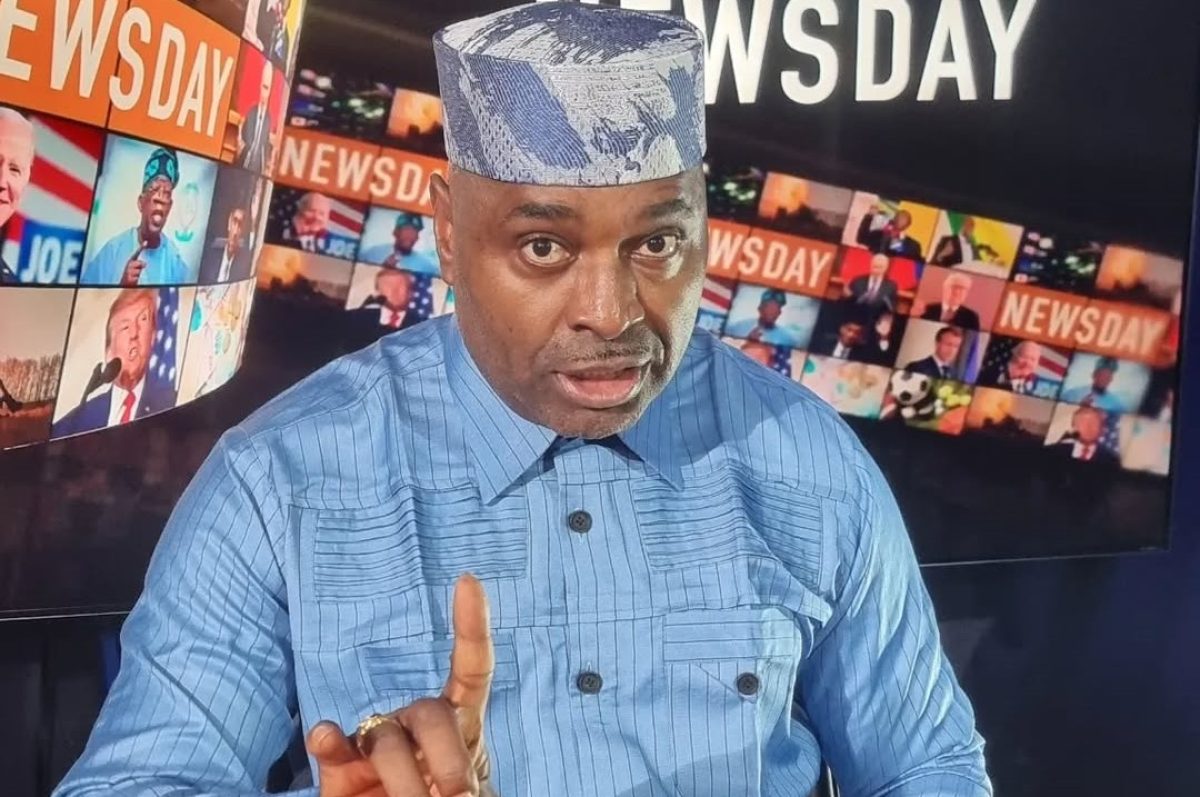
A chieftain of the African Democratic Congress (ADC), Kenneth Okonkwo, has argued that the presidential candidacy of Peter Obi under the Nigeria Democratic Congress (NDC) could indirectly strengthen the re-election prospects of President Bola Tinubu in the 2027 general election.
Speaking on the growing fragmentation within the opposition, Okonkwo contended that multiple opposition candidates would divide anti-incumbent votes, potentially creating a pathway for Tinubu to secure victory, similar to the dynamics witnessed during the 2023 presidential election.
According to him, opposition parties seeking to challenge the ruling All Progressives Congress (APC) would be more effective if they united behind a single candidate rather than competing against one another.
The comments come after Obi and Rabiu Musa Kwankwaso left the ADC in May 2026 and joined the NDC, where they were subsequently affirmed as the party’s presidential and vice-presidential candidates respectively.
The Obi-Kwankwaso ticket has generated significant attention among opposition supporters, with backers arguing that it offers Nigerians a fresh alternative built around governance reforms, economic revitalization, and national unity.
However, critics of the move maintain that the emergence of another opposition platform could further fragment votes among parties seeking to unseat the ruling party.
Supporters of Obi reject that argument, insisting that voters should be free to support candidates they believe best represent their aspirations. They argue that political competition strengthens democracy and that opposition unity cannot be achieved merely by asking candidates to step aside.
The debate reflects a broader conversation within Nigeria’s opposition politics about coalition-building, electoral strategy, and the challenge of confronting an incumbent administration.
Political analysts note that vote fragmentation has historically played a major role in Nigerian elections and could once again become a decisive factor in 2027 if opposition parties fail to coordinate their efforts.
With the election still some distance away, observers expect further negotiations, alliances, and political realignments as parties seek to strengthen their chances in what is shaping up to be a highly competitive presidential race.
For now, the remarks by Okonkwo underscore the continuing debate over whether opposition parties should unite behind a common platform or compete separately for the presidency in 2027.


