

Nigerian activist and social media personality Justice Crack has regained freedom after spending about a month in detention over videos highlighting complaints by soldiers regarding poor feeding conditions and welfare challenges within the military.
JusticeCrack, whose real name is reportedly Mark, was arrested in late April after posting videos featuring troops allegedly lamenting inadequate welfare, poor feeding arrangements, and difficult operational conditions.
The activist was initially detained by agents linked to the Defence Intelligence Agency before later being transferred to the Department of State Services (DSS).
Authorities subsequently arraigned him on cybercrime-related charges, accusing him of circulating false information capable of undermining public confidence and national security.
The arrest sparked widespread reactions online, with many Nigerians, activists, and opposition supporters describing the case as part of growing tensions between free speech and government sensitivity to criticism involving the military and national security.
Speaking after his release from detention, JusticeCrack gave a surprisingly positive account of his treatment while in DSS custody.
According to him, DSS officers treated him respectfully during his remand period, providing food, medical checks, and humane conditions without physical abuse.
He contrasted this with his earlier fears during the initial phase of his arrest, when he claimed he believed he could disappear in detention.
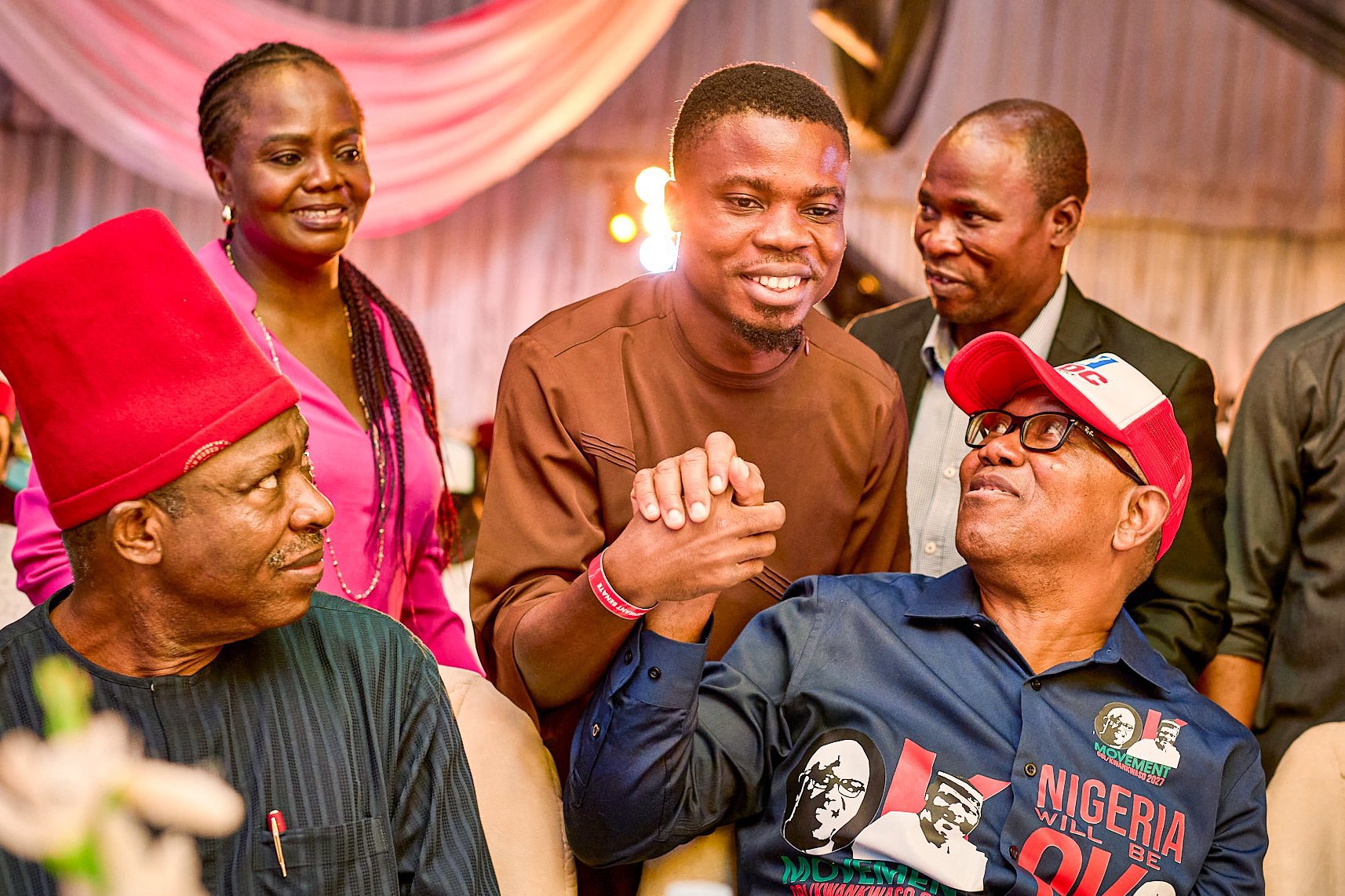
Videos circulating online after his release showed the activist attending an opposition political dinner, where he warmly greeted former Labour Party presidential candidate Peter Obi.
JusticeCrack reportedly thanked Obi for privately supporting his family during the period of detention, even as public campaigns and online pressure intensified calls for his release.
The case has continued to generate debate over freedom of expression, whistleblowing, and the limits of criticism involving military institutions in Nigeria.
Supporters of the activist argue that the videos merely exposed genuine welfare concerns affecting soldiers fighting insurgency and insecurity across the country.
Critics of the government say the arrest created the impression of intolerance toward public scrutiny, especially at a time when insecurity remains a major national concern.
Others, however, insist that unverified military-related content shared online can pose security risks and potentially damage troop morale.
Political and legal analysts note that the ongoing case could become a significant reference point in future debates about digital rights, cybercrime laws, and civil liberties in Nigeria.
Although released on bail, JusticeCrack’s trial remains ongoing, with further court proceedings expected in the coming weeks.


