

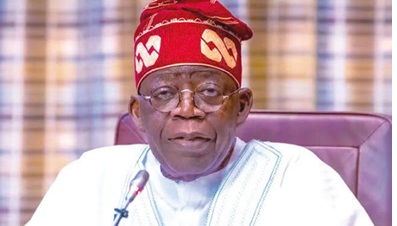
President Bola Ahmed Tinubu has described the relative stability in Nigeria’s public university system as one of the achievements of his administration, saying the absence of prolonged Academic Staff Union of Universities (ASUU) strikes has enabled students to complete their academic programmes on schedule.
Speaking at the State House in Abuja, the President said his administration has, since assuming office in May 2023, maintained industrial harmony within the university system, preventing disruptions similar to the eight-month ASUU strike that paralysed public universities in 2022.
According to Tinubu, uninterrupted academic activities have allowed thousands of students to pursue their education without the uncertainty and delays that previously characterised Nigeria’s higher education sector.
He stated that ensuring a stable academic calendar remains a key objective of his administration’s education reforms, arguing that predictable graduation timelines are essential for national development and workforce planning.
The President also highlighted the role of the Nigerian Education Loan Fund (NELFUND), describing it as a major intervention designed to improve access to higher education through interest-free student loans.
Tinubu said the initiative is intended to remove financial barriers preventing qualified Nigerians from pursuing tertiary education while supporting the government’s broader efforts to expand educational opportunities.
He expressed optimism that the combination of uninterrupted academic sessions and improved student financing would strengthen Nigeria’s education sector and enhance the quality of human capital development.
The President’s remarks come amid ongoing discussions about reforms in the country’s education system, with stakeholders acknowledging the importance of maintaining industrial peace while also addressing the financial challenges confronting universities and students.
Supporters of the administration have welcomed the stability in public universities, arguing that uninterrupted academic calendars reduce the emotional and financial burden on students and their families while improving confidence in Nigeria’s higher education institutions.
However, critics contend that although prolonged strikes have largely been avoided, many students continue to face significant financial difficulties arising from rising tuition fees, inflation and the increasing cost of living.
Education policy analysts note that while industrial stability is a positive development, long-term reforms must also address university funding, infrastructure deficits, staff welfare, research capacity and affordability to ensure sustainable improvements in the sector.
They argue that balancing institutional funding with accessible education remains one of the major challenges confronting policymakers.
The Nigerian Education Loan Fund has also attracted attention as one of the administration’s flagship education initiatives, with government officials expressing confidence that it will increase enrolment and reduce financial exclusion among prospective students.
Observers say the continued success of both the stable academic calendar and the student loan programme will depend on sustained dialogue between government and university unions, as well as consistent implementation of education policies.
As Nigeria seeks to strengthen its higher education system, stakeholders have called for continued investment in universities, improved learning facilities and policies that ensure students can access quality education without unnecessary disruptions or excessive financial hardship.


